Crafting New Traditions After Losing Your Father: Honoring His Memory
The holidays and birthdays can feel like a minefield after losing your dad. How do you navigate these dates without feeling overwhelmed by grief? This post explores how to intentionally build new traditions that honor your father’s memory while creating space for new experiences and joy.
Key Takeaways
- New traditions are about adding to, not replacing, cherished memories of your dad.
- Focus on activities that reflect your dad's values or things you enjoyed doing together.
- Involve family or friends in creating new rituals to share the experience and the memory.
- Allowing yourself to feel both the sadness and the potential for new joy is crucial.
- Flexibility is key; traditions can evolve as you and your family grow.
- It’s okay to acknowledge the void while still creating moments of connection and celebration.
The Birthday Void and Beyond
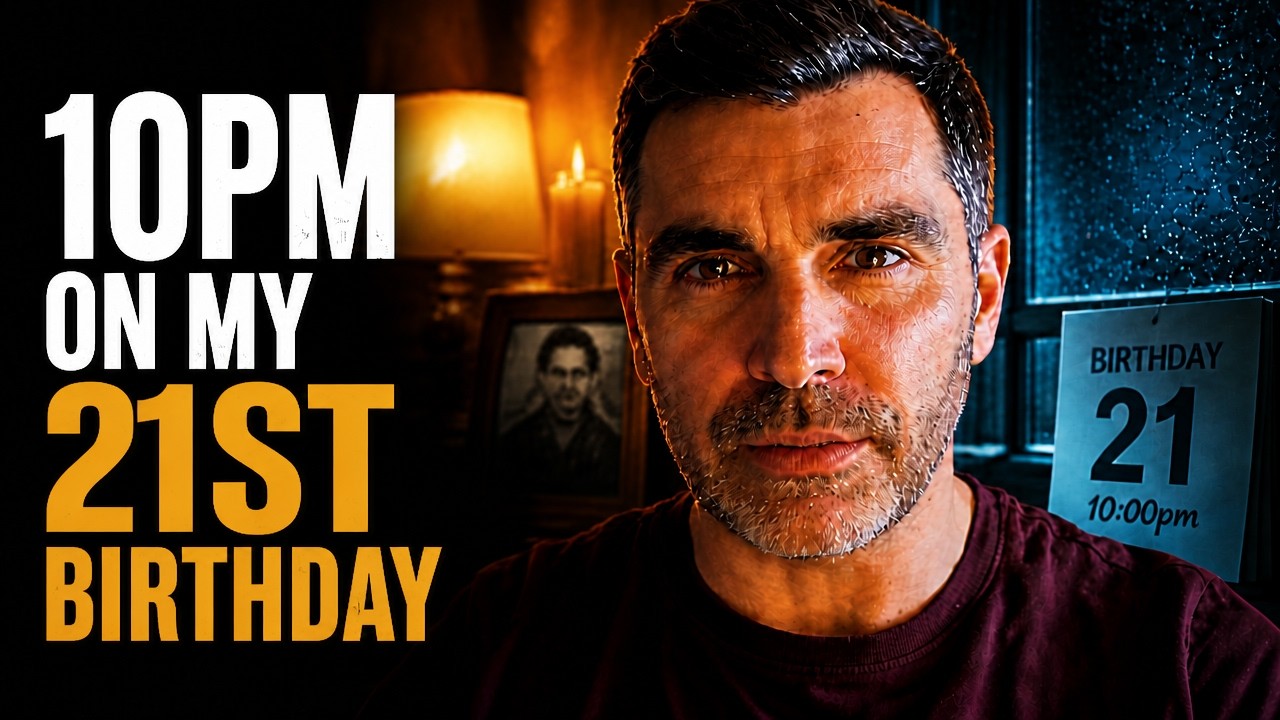
Birthdays. For most of us, they’re a day for cake, presents, and maybe a bit of embarrassing singing. But what happens when your birthday is also the anniversary of your dad’s death? James Wood Robertson faced this exact scenario, losing his father on his 21st birthday. Suddenly, a milestone meant to be about stepping into adulthood became inextricably linked with profound loss. The party hats felt a little heavy, the champagne a bit bittersweet. This isn't an uncommon crossroad for many who've lost a father; certain dates become loaded with more than just the passing of time.
The challenge isn’t just surviving these days; it’s about finding a way to move forward without erasing the past. The traditions you once shared – the family dinners, the advice-giving chats, the sheer presence – are gone. Trying to replicate them perfectly often leads to disappointment, or worse, a deep sense of guilt for not feeling the “right” emotions. The podcast episode featuring James highlights this perfectly. His birthday became an anniversary, a date forever marked by his father’s passing. This duality forces a confrontation with how we, as men, process grief when it’s tied to a date that’s supposed to be about joy and celebration.
But here’s the thing: grief isn't static. It evolves. And so can the ways we honor our fathers. Creating new traditions isn't about replacing the old ones, but about building a bridge between the past and the present. It’s about acknowledging the space your dad left, and finding ways to fill it, not with more absence, but with intentional acts of remembrance and new forms of connection. This journey is about acknowledging the void, but refusing to let it be the only thing that defines these significant dates.
Finding Your New Rhythm
So, how do you actually *do* this? How do you create new traditions when the old ones feel irrevocably tied to a person who is no longer physically present? It’s a question that many of us grapple with, especially as we approach those significant dates. The key is to shift the focus from replication to reinterpretation. Instead of trying to recreate the exact feeling of past celebrations, consider what elements were most meaningful and how they can be adapted.
For instance, if family dinners were central to your dad’s birthdays, could you start a new tradition of a “dad’s favorite meal” night once a year? This doesn’t have to be on his actual birthday. It could be a different day, allowing you to prepare his favorite dish and share stories about him. Or perhaps your dad was a big sports fan. You could start an annual tradition of attending a game in his honor, or even just dedicating a particular match to him and watching it with others who knew and loved him.
The goal is to find activities that resonate with his memory and your relationship with him. Did he love gardening? Maybe you could plant a tree or start a new garden project in his memory. Was he a keen reader? Consider establishing a book club focused on genres he enjoyed, or donating books to a library in his name. These new traditions act as living tributes, keeping his spirit alive in ways that feel authentic to you and your family. They’re not replacements, but rather continuations of his legacy, adapted for a new chapter.
Honoring His Values Through Action
Often, the most profound way to honor our fathers is by embodying the values they instilled in us. This can be a powerful avenue for creating new traditions. Think about the principles your dad lived by. Was he generous? Consider starting an annual charitable donation or volunteer day in his name. Was he a strong advocate for education? You could set up a small scholarship fund for a local student or commit to mentoring someone in a field he cared about.
These acts of service or commitment become powerful new traditions. They not only keep your dad’s memory vibrant but also contribute positively to the world, mirroring the impact he had. The beauty of these traditions is their flexibility. They can grow and evolve with you. A small donation one year might become a larger organized event in subsequent years. The key is the intention behind the action – the desire to honor his legacy through meaningful engagement.
Furthermore, involving others in these new traditions can be incredibly therapeutic. Sharing the act of remembrance with siblings, your mother, or friends who also knew your dad can create a shared sense of connection and support. It allows for collective grieving and celebrating, weaving his memory into the fabric of your ongoing relationships. When James Wood Robertson speaks about his father, there’s a clear reverence for the man Willie was, and the impact he had. Creating traditions rooted in those positive influences allows us to continue that impact, ensuring that our fathers' legacies extend beyond their physical presence.
Navigating Grief and Joy Together
It’s crucial to acknowledge that creating new traditions doesn't mean the sadness disappears. Grief is a complex, ongoing process. There will still be moments of intense longing and sorrow, especially on those dates that were once solely about celebration. The new traditions are not about forcing happiness or pretending the loss isn't there. Instead, they are about creating a space where both grief and the potential for new joy can coexist.
Allow yourself to feel whatever comes up. If a new tradition brings up tears, that’s okay. If it also brings a moment of unexpected laughter or connection, that’s also okay. The aim is to build rituals that acknowledge the reality of loss while also fostering a sense of continuity and hope. It's about finding a balance, a new rhythm that honors the past without being solely defined by it.
Consider making these new traditions a family affair. Discuss with your loved ones what activities feel most fitting. Perhaps it’s a hike to a place your dad loved, or a specific type of music you listen to on a certain day. The process of collaboratively deciding can be healing in itself, as it opens up conversations about your dad and your shared memories. As Scott and Roger often discuss on the podcast, grief is messy and doesn't follow a script. Building new traditions is part of that messy, evolving journey of figuring out how to live fully after loss.
Ultimately, creating new traditions after losing your father is a testament to the enduring power of love and memory. It’s a way of saying that while your father is no longer with you, his influence, his values, and the love you shared continue to shape your life. It’s about building a future that honors your past, one intentional, meaningful tradition at a time.
For more on navigating these complex emotions and finding ways to honor your father's memory, listen to the Dead Dads Podcast episode with James Wood Robertson.
Frequently Asked Questions
How do I start creating new traditions?
Start by reflecting on what aspects of your relationship with your dad were most important. Consider his hobbies, values, or favorite activities. Then, brainstorm simple, manageable activities that can honor those elements.
What if the new traditions bring up too much sadness?
It's completely normal for new traditions to evoke sadness. The goal isn't to eliminate grief but to create space for both remembrance and new experiences. Allow yourself to feel the emotions, and perhaps involve others to share the burden and the connection.
Can new traditions be different from what my dad would have liked?
Yes. New traditions are about honoring his memory and your connection, not necessarily replicating his exact preferences. They should feel authentic to you and your current life, while still reflecting his influence.
Is it okay to still grieve on his birthday?
Absolutely. Grief doesn't have a timeline or a schedule. It's perfectly okay to still feel sadness and miss your dad deeply, even while establishing new traditions.

The Modern Man’s Guide to Grief Podcasts: Why The Dead Dads Podcast Offers a Different Path