
 YouTube
 Spotify
 Apple Podcasts
 Amazon Music
 PocketCasts
 Castbox
 PlayerFM
 Podchaser
 iHeartRadio
 There was a DNR magnet on our fridge next to the family photos | Grief Support for Men
Key Takeaways
- Feeling emotionally neutral after the loss of a parent is a valid response and does not necessarily indicate that something is wrong with your grieving process.
- The 'deflated balloon' model helps explain the sensation that a significant part of your identity has disappeared while you continue to function in daily life.
- Experiencing guilt for not feeling like a 'wreck' is a common, yet unnecessary, burden that many men carry after father loss.
- Caring for a dying parent at home creates surreal, intimate moments, like keeping a DNR magnet next to family photos, which redefine your relationship with mortality.
- Engaging in difficult, honest conversations with your father while he is still alive is the best way to prevent future regret.
- Seeking effective grief support for men often means finding spaces where you can discuss the transition into the family patriarch role without judgment.
Jordan's dad rode 60km on an e-bike with a chemo bottle taped to the frame. Stage four cancer. Then one day the bike stayed in the garage.
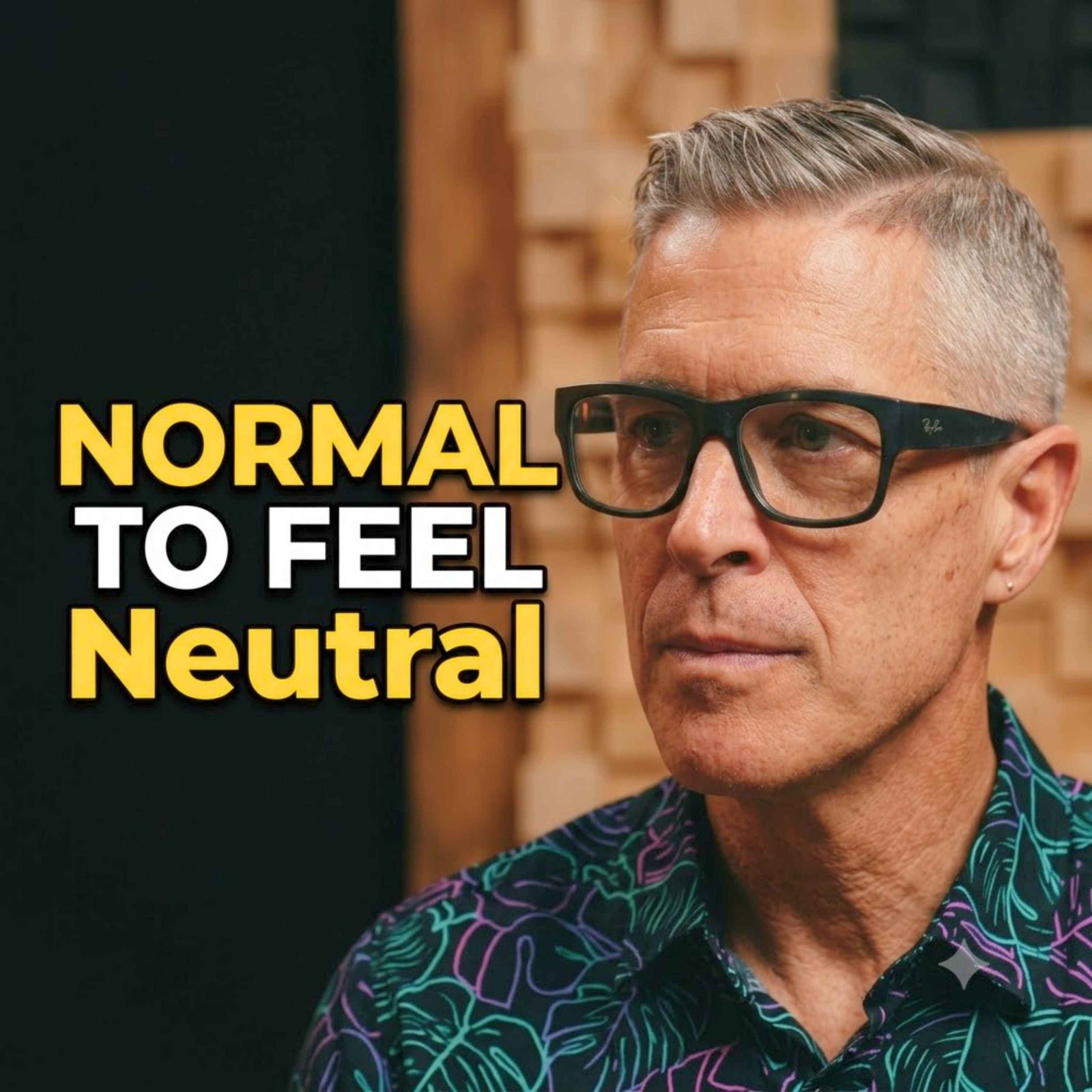
Jordan didn't fall apart. He felt… neutral. Then guilty for feeling neutral.
This episode explores the quiet grief nobody talks about. The feeling that 30% of you disappears when your dad dies. You're still functioning, but you're running on less.
If you've lost your dad and wondered why you're not more of a wreck, this one's for you.
🎧 In this episode:
• Why feeling "neutral" doesn't mean something's wrong
• The "deflated balloon" model of grief
• Why guilt and anger show up in unexpected ways
• Becoming the family patriarch overnight
• Caring for a dying parent at home
• Honouring your dad without forcing closure
• Why the conversations you avoid today become the ones you miss tomorrow
👨👦 Meet Jordan and PJ
PJ worked the mill, retired early, and spent his best years riding e-bikes, wearing Hawaiian shirts, and building things in his workshop. When cancer reached his liver, he kept riding. Jordan grew up watching a man who lived on his own terms, which is part of why grieving him has felt so quiet.
⏱️ Chapters
0:00 Neutral... and the guilt that follows
1:50 Why Jordan wanted to tell this story
4:50 Meet PJ
7:50 Riding through chemo
12:50 The deflated balloon
16:50 The hospital bed at home
22:00 The DNR magnet on the fridge
22:50 Becoming the patriarch
25:50 When anger arrives anyway
26:50 The Hawaiian shirts
29:00 "What do you want to be when you grow up?"
32:00 Riding 120km in PJ's honour
34:50 Have the conversations now
🖤 About Dead Dads
Dead Dads is a podcast for men figuring out life after losing their dad. Hosted by Roger Nairn and Scott Cunningham, it's an honest conversation about grief, identity, family, memory, masculinity, and everything that changes after father loss.
No grief brochure voice. No tidy healing arc. Just real conversations.
You're not alone.
☕ Support the show: https://buymeacoffee.com/deaddadspodcast
Follow Dead Dads:
Website: https://www.deaddadspodcast.com/
YouTube: https://www.youtube.com/@deaddadspodcast
Instagram: https://www.instagram.com/deaddadspodcast/
Spotify & Apple Podcasts: https://www.deaddadspodcast.com/listen
New episodes every week.
Frequently Asked Questions
Why do I feel neutral after my dad died?
Feeling neutral is a common grief response where your brain may be processing the loss slowly or protecting you from overwhelming shock, and it does not invalidate the depth of your relationship.
What is the best grief support for men?
The best grief support for men involves honest, unfiltered conversations that move away from traditional 'therapy-speak' and focus on the practical realities of identity and loss.
How do I cope with becoming the family patriarch after losing my dad?
Acknowledge that this is a major life transition; take it one day at a time, honor his legacy in ways that feel authentic to you, and don't be afraid to voice the frustration or pressure that comes with the new role.
Is it normal to feel guilty for not being sad enough after a death?
Yes, many people experience 'grief guilt' because they expect their reaction to match societal tropes of total collapse, but every individual's grief journey is unique and non-linear.