

 YouTube

 Spotify

 Apple Podcasts

 Amazon Music

 PocketCasts

 Castbox

 PlayerFM

 Podchaser

 iHeartRadio
Why Dark Humor Helps When You're Grieving | Dead Dads Podcast | Grief Support for Men
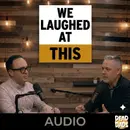
Roger and Scott explain why they started Dead Dads and explore how talking, shared stories and dark humour can make father loss feel less isolating.
Coping with grief can feel isolating for men, especially when your dad dies and there isn’t really a place to talk about it. Welcome to the club no one wants to join. We are the grief support for men group that laughs way too much. Hit SUBSCRIBE to navigate father loss with us, and get your weekly dose of dark humor grief.
Most men don’t talk about it. And when they do, it usually isn’t with laughter.
In this introduction to Dead Dads, Scott and Roger explain why they started a podcast about losing your dad, grief, and how men actually deal with it. After realizing there aren’t many places where guys can openly talk about the death of a father, they decided to create one themselves.
Dead Dads is a place where men can talk honestly about grief, loss, memories of their dads, and the strange moments that come after someone who shaped your life is gone. Some conversations are serious. Some are reflective. Some are unexpectedly funny.
Scott and Roger believe that talking about grief helps. Whether it’s with a therapist, a friend, or even a stranger who’s been through the same thing, sharing stories about your dad can make the weight a little easier to carry.
If you’ve experienced losing your dad, father loss, or the death of a parent, this podcast is for you.
Sometimes grief needs silence.
Sometimes it needs conversation.
Sometimes it needs a laugh.
We have it all.
Dead Dads is hosted by Roger Nairn and Scott Cunningham.
If Dead Dads has helped you feel a little less alone, consider buying us a coffee to help cover the studio and marketing costs that keep the show going and get it in front of more men who need it: https://buymeacoffee.com/deaddadspodcast
In this episode you'll learn:
- Why there aren’t many spaces for men to talk about losing their dad
- What happens when you actually start talking about grief
- Why grief looks different for everyone
- How sharing experiences with other men can help
- What to expect emotionally after losing your dad
- Why humor still has a place in grief
- How this podcast is meant to help you process your own experience with grief
About this episode:
This is the first episode of Dead Dads.
Roger and Scott both lost their dads and realized there wasn’t a place for guys to talk about it honestly.
So they built one.
This episode explains why.
In this episode:
0:00 – Why Talking About Your Dead Dad Feels So Hard
2:00 – How The Dead Dads Podcast Started
6:00 – Why There Isn’t a Space for This
10:00 – What Grief Actually Looks Like
16:00 – Why Talking About Your Grief Helps
22:00 – What You Can Expect From The Dead Dads Podcast
About Dead Dads
Dead Dads is a podcast for guys figuring out life after losing their dad.
It’s real conversations about grief, identity, and everything that comes after.
You’re not alone.
Follow + Connect
New episodes every other week.
Dead Dads Podcast is produced with the support of JAR Podcast Solutions, the branded podcast agency that helps organizations build shows people actually want to spend time with. Learn more at https://jarpodcasts.com/
Related reading: why humour can help when you're grieving.
Related grief resources
Understanding grief in men · Grief support resources
About the show: Roger Nairn and Scott Cunningham share lived experience of father loss. Dead Dads is not a substitute for professional care.
Episode Transcript
Source: YouTube captions. Automatically generated captions may contain errors.
[0:00] Hi, I'm Scott. >> And I'm Roger. >> And we're two guys who realized that the only thing harder than finding a place to talk about your dead dad is a place where you're allowed to laugh about it. This is Dead Dads. >> [music and singing]
[0:17] [music] [singing] [music]
[0:33] >> Hey, I'm Roger. >> And I'm Scott. >> And our dads are dead. >> Still. >> Still dead. >> Why are we here? What are we doing here? >> Well, we're here because there's really not a lot of great places for men to talk about grief and to talk about their experience when their father dies.
[0:48] And you and I were chatting one day and we thought to ourselves we should start a podcast because you and I love to talk, we love to learn, we love to chat with other guys, we love to learn. So I learned twice. >> One thing we need to learn is how many times to say learn. But I think the hard part to explain to people who when I
[1:05] talk about this is like why are you guys doing this? Like yes, this is a problem, but why? >> Yeah. >> And I don't know that we know, but I think we want to we have enjoyed the process. We're ready to try and see if this makes the grief a little bit easier. >> Because one thing we've learned is that grief is different for absolutely
[1:21] everybody. And for me it helps to talk about it, whether it's with a counselor or whether it's with a buddy, or whether it's with a perfect stranger who's also lost their dad. I find myself you know, really learning a lot from other guys and their experiences and hopefully through the men that we talk to on this
[1:36] show, you know, those that are watching and listening can learn from them. So maybe that's you, maybe your dad's >> died recently, maybe he died a long time ago. If you're interested in learning a little bit more about how guys are getting through this and even having a couple of laughs, we hope you join us. >> Now it's really important to mention
[1:52] that we are not doctors, we're not therapists, we're not counselors, we're not even in the medical industry. In fact, I thought ICU was a university. Which turns out it's not. >> I thought catheter was a type of church. >> Oh, definitely not. It's definitely not. So,
[2:08] >> I think given that disclaimer, if you're still interested, we'd love you to come along and take a listen. >> Yeah, welcome to Dead Dads. >> Roger? >> Scott. >> Before we get involved in this whole podcast business, I want to give everybody a chance to get to know you a
[2:23] little bit better. >> Mhm. >> So, I got a couple of questions that I'm going to ask you. They're not hard. There's no math. Super easy. >> Okay. >> But, I just want you to do your best. >> I I think I can do it. >> Okay. What's your comfort rewatch? So, you've
[2:39] had a rough week, rough day, whatever. You come home, you're on the couch. What's the thing that you put on that's just sort of soothing, I guess? Helps you with your Helps you process the day. >> That's an easy one. It's uh it's I watch Veep. Uh if you ever watch Veep, you know, Julia Louis-Dreyfus, um
[2:55] Tony Hale, plus many more. Uh Julia Louis-Dreyfus is the Vice President of the United States. It's my absolute favorite show of all time. The writing is unbelievable. It is so funny. Uh it's it's crude. It's like that perfect sort of satire, black humor. It
[3:12] gets me laughing every single time. >> Favorite Jonah insult? >> It's like using a croissant as a dildo. >> [laughter] >> It doesn't work, and it makes a mess. >> What's the first ever probably cassette you ever bought? >> Yeah, good question. Um the first So,
[3:30] the first cassette that I ever bought, and actually, coincidentally, I bought it on CD when CDs came out. I feel like we're talking about ye olden days all of a sudden. Uh was C&C Music Factory. >> Nice. >> Yeah. >> Nice. And what was the What was the big hit then? >> It's going to make you sweat.
[3:46] >> Going to make you sweat. >> I can't do the dance. I maybe can throw in the vocal later on if you're happy, but C&C Music Factory I own on cassette and on CD cuz I was a fan. And when you're a fan, you got to do that. >> Right. So, Scott, you um you lost your dad. Uh my understanding
[4:01] is about 3 or 4 years ago. >> Yeah, 2021 my father passed away. Um he had cancer. But uh he had MAID. Which is medical assistance in dying. >> And medical assistance in dying, like explain that a little bit more. Like
[4:16] what is it What exactly is involved when that happens? >> The understanding of MAID and the reason that he chose that is it's a decision that the patient gets to make. Uh it's a reason ultimately if if you are in a state where you are too far gone and the medical community supports
[4:31] this, then you are allowed to choose um to have this assistance in dying. So, you basically get to choose how you go. Which was for my dad, which was >> Um Cuz he had cancer for uh quite a long time? >> No, he had cancer for uh again a a
[4:47] relatively short amount of time. So, it was COVID. And so it just got out of COVID, which was uh late 2020 he was diagnosed. And there was a period where it wasn't that serious, I guess, and then it was immediately serious. And so, it changed really quickly. And so, between I would say November, December
[5:04] of 2020, when we thought it was a possible recovery, and um January, February, when there was no chance of recovery, and March, when he chose MAID. And he chose that because he was really afraid. Really afraid of becoming
[5:19] what he would say as a vegetable. He was really afraid of um losing the ability to like, you know, that classic like in bed and all you can do is blink. And he would say often when I was a kid, um push me in front of a train if that ever happens to me or off a cliff. >> Which is as a kid, that's that's not
[5:36] >> It's not on your list of things >> list of things you expect your dad to say to you. >> Yeah. Exactly. >> that's that sucks. But you were telling me that he also he had a bit of a slip and and fell and and hit his head. >> He did, yeah. >> Well, well, well, well, well, what How did that happen? What was involved there?
[5:51] >> It was a few years before this. And so, it was a bit of a bumpy road definitely for his last arguably few years of his life. And so, he was um as I think a lot of dads do, he was determined to keep fit. >> Yeah. >> There's this period where >> Keep fit, have fun. >> keep fit uh becomes the mantra and every
[6:08] dad seems to pick like I'm eating almonds, you know, or he would often say, I get a lot of fruit and it would be in the summer time for like a week or so. >> Right. >> Yeah. And so, he was trying to keep fit and he was going to the swimming pool. >> My dad went through a pomegranate phase. >> Oh, yeah. >> Yeah. >> That'll do it. >> Yeah.
[6:24] >> So, he was going to the swimming pool and um one day when he was at the pool, there was a a particular piece of ground that was I guess uh slippery for some reason. And he slipped and he fell and he hit his head. And he developed a concussion, which taught us a lot about
[6:40] concussions because there are again, they're a lot more in the news every year, but they taught us that one of the side effects is, you know, it can like drastically change a person's personality and he became kind of a different guy. And that for him was a slope that ended
[6:55] with him choosing to try to commit suicide. And then he was unsuccessful and he came out of it and we thought there was a different path for him, but I think really you know, for the last 3 years before that, like it was we were we weren't sure if he really
[7:11] was happy that he was unsuccessful. Anyway, what happened was he recovered, he came out, he was not better, but he was alive and and functioning and um and then I think this whole cancer thing arguably and it'll, you know, be discussion point forever is when I when
[7:26] he was diagnosed with cancer, I think he might have thought maybe this is the way it was supposed to go. >> What do you think um his suicide attempt taught you about your dad and his sort of frame of mind going into, you know,
[7:42] having cancer and and it getting it getting sort of progressively worse. >> I mean, his suicide attempt taught me what it made me think about. Because where he did it was he chose to go to this really remote area. He lives in Alberta in this remote area and he
[7:58] went down to the river and he tried to slit his wrists. I guess his suicide attempt taught me that I had not I didn't see that coming. I mean, he he had no sort of warning signs, which sounds so ridiculous, but
[8:15] he wasn't like he had multiple attempts or made any sort of you know, jokes about it. It just happened one day. And so it taught me that I learned to be a bit scared because things are uncertain. And that is a thing that I have to I think address
[8:31] every day is that fear. >> Mhm. Do you think that fear is now carried over into your adult life? >> The whole end of his life, the whole process between his suicide and how he died, not the made but like how he felt when he died has has given me
[8:49] I do think fear but also an incentive. Like I don't think he felt great about his life when he died. Cuz I >> on that? Like what did what did he not feel great about? >> He didn't seem I guess in your in your head you want to see this person who's sort of smiling and beautifully looking
[9:05] out and saying I'm so you know, grateful and here's the things that I'm grateful for and here's what I learned and that sort of thing. He was he was visibly scared of the end. He was he was upset. Like he wasn't going to be around to help anymore and he felt like his job as a dad was unfulfilled.
[9:22] >> And so Sandy was Sandy was really angry when he died. >> I think he was he was angry and disappointed. Yeah, and it really bothered me that he I I don't mean this blamably I guess but >> Blamably is it's a word. >> No, I don't think I mean that
[9:37] vociferously. >> [laughter] >> I don't think I mean this as a condemnation, maybe. Is um he he let that happen, too. But, I think it bothered me that he let it happen to himself and he didn't actively try to make his life better. And that was what
[9:53] pushed me. I thought, "Okay, I have to make my life better. I have to challenge myself to not be in that position. What can I do now? What steps can I take?" And that's really, I think, a big part of how his death was a catalyst. >> Where do you think you're at now with
[10:09] that though? >> I'm on a 30. On a scale of 1 to 70. I think it's a I joke because I think it is kind of an interesting, but maybe challenging thing to say, "Where are you at?" But, in true spirit of the
[10:25] question, I have gone to therapy for almost the entirety of the time since he passed. >> So, you went into therapy pretty much right away? >> Um I should have went in sooner. But, I went in um about 5 months after he passed. Um after a realization that I
[10:41] was angry and I was unhappy and there was a lot of things that were not working out. But, I think to go back to the spirit of your question is where I am now is I feel like I have a set of tools that I can that I can use in those moments because
[10:57] grief is still there and still occurs, but I feel like I have a set of tools. Like okay sometimes things hit you sideways. We talked a little bit about these like sudden moments like a song or a you know, like I know for you like the Blue Jays are playing or things like this. And well, I'm sure we'll talk about, but
[11:13] I think I I feel like I have this set of tools that I can that I can kind of bring up and it can help me get through it. And that gives me confidence. And that's where I feel is I feel a bit more confident about my grief. When I start to think about the the pressure of trying to make that
[11:29] problem that he had not happen, um I do think about my family. I think about the position that I occupy in my family, about being a dad, and the effort that I put into being a dad, and I I care about being a dad, and I think that makes me feel a sense of
[11:46] satisfaction and happiness that every time there's an opportunity to, you know, double down and try to be more involved, um which is tough, you know, we're all young modern professionals um trying our best, but I I take those opportunities and then I try to think
[12:01] each of those times are times that I did that because I didn't want to feel like I had ever let an opportunity go to to keep working towards that goal of feeling satisfied on the day that I die. Overall, there's a scenario where I feel like I have a set of tools. I've moved
[12:16] on into a place where for me grief is not every day. It's It's sudden or sideways, and especially when you're recording grief podcasts and laughing about it, but it's it's not something that takes me takes me every day. But, I want to ask a little bit about your dad.
[12:33] >> He He He passed away almost a year ago today. In fact, it was December 23rd, 2024. So, he had been sick with cancer for for almost 5 years. In fact, when he first
[12:48] got diagnosed, he was given it was anywhere between like 6 months to a year. But, he kept extending it. He's incredibly healthy, you know, all things considered. Um we used to joke that he would eat like a supermodel. He was very active, played golf at least
[13:05] three or four days a week. >> Supermodels like >> Yeah, yeah, exactly. >> [laughter] >> And lots of cocaine. Um he, you know, he had climbed Mount Kilimanjaro like, you know, only a few years ago. >> Mhm. >> Um and so, when he when he first got sick and he started recover, we got
[13:21] really like really positive about it. And And you kind of get into this rhythm of like >> Cuz he's a climber. I mean, the challenges that he's already achieved, right? >> through these sort of like hills and valleys of of uh of treatment where like he's very low, his cancer count is really high, like this is looking bad,
[13:37] and then all of a sudden he would just get better. And then you would start to feel great. And then he would dip it he would dip again. So, we went through these like periods and I feel like we probably had four or five six of those sort of ups and downs. But then he went on a he went on a trip with my mom uh to Europe. They went on
[13:54] like a river boat boat cruise. And he started to complain of like almost like a flu like symptoms while he was on the boat. And his cancer was in his liver and in his esophagus. So, he started feeling kind of fluish. I remember talking to him on FaceTime, and he just he just looked a bit sort of down. Like
[14:09] nothing really too severe. Um They came home from this trip and had jet lag like anybody else would, except it felt like his jet lag never went away. And and my mom's did. >> What was your mental state when you realized that it's not going away? Did
[14:26] you think this is Is this something, or did you think oh, it's you know, we're on the right track? >> Yeah, it was you know, we religiously would go over to my parents' house every Sunday for for dinner usually, and we bring you know, our son Cooper, and and he you know, he was at the time six, and he him and my dad were like best
[14:41] buddies. And you could just tell that he was putting on a brave face, but his energy just was not there for for Cooper. And um it would it became more than just um you know, tiredness. It was also, you know, dizzy, and and he would have a
[14:58] very difficult time in the middle of the night sleeping. Um you could just tell that his body was slowly shutting down. >> Were you moving into despair, or were you kind of like I've got to make a brave face? >> I I think it was a blend of brave face and
[15:14] sort of going into like action mode. Like, okay, this I think this is starting to happen, and oh, I guess we're doing this. Like I guess, you know, I guess this is you know, this is something that we thought might come one day and here it is. In fact, there was only about 10 days in
[15:30] between him starting to feel low and then him ultimately choosing MAID as well. But, I remember there was one day where him sleeping was difficult and him getting out of bed was difficult and him going to the bathroom was difficult and my mom just couldn't take care of him anymore. Like, literally physically couldn't lift
[15:46] him. >> Um, which is a thing that also gets talked about a lot, which is the burden on the other >> Yeah, and I I even went over one day to watch the hockey game with him just to sort of be with him. And I had to help him on the toilet and I had to literally pick him off off the floor
[16:01] because he fell off the toilet. And that was the moment where I was completely shocked into like, this is actually actually happening. >> Yeah, he's no longer the person that I know as my dad. He's become a different person. >> soon as you see your hero, you know,
[16:18] naked on the floor, that's it. Like, you you just your your whole world shatters immediately. And so, for me, it just completely shattered and and that was the moment that we knew that he needed to go into a hospital of some
[16:34] sort or he needed to have added care because my mom just couldn't do it. He had no energy and sorry, no like nothing in him as far as it was you know, a dead weight. >> [laughter] >> Yeah. >> Um, pardon the pun, but the um, that moment
[16:49] made us realize this is a fast-moving train that wasn't going to slow down. And so, there was a day where I summoned summoned I I asked my sister to come over to my mom and dad's house and and, you know, I talked to her in advance about this conversation that we
[17:05] all need to have. Where >> So, you woke up one morning and said, I need to make this happen? >> Yeah, yeah. It was more like it was more like there's a conversation we need to have happen because my dad had talked about made in the sense that he doesn't want to be a burden and he doesn't want
[17:22] to be in a position much like your dad where he's, you know, sort of in a vegetative state. He He wants to do this. However, he had not put any of the planning in place. He had not signed any papers. He had not provided any any of the He had He had not started the steps you need to go
[17:38] through. And so, I thought it was important that before he became incapacitated, we had the conversation. And so, one day um I went over and my mom and I and my sister, you know, sat him down or he was already sitting down and and we said, "Hey, Dad,
[17:55] you know, we're not sure how this is all going to turn out, but I think it's important we have a you know, conversation about it." Now, you know, you had um you had mentioned made in the past and you know, is that something you're still You brought it up. You're doing I did bring I did bring it up. Yeah. Um
[18:11] had hardest conversation I've ever had to have. I said, "We're all hoping that this turns out okay. However, we need to we need to be prepared if if it doesn't." And and I said, "You know, do you remember telling us that you know, you you wanted to have made?" And and he said, "Yes." I
[18:26] said, "Well, you know, how do you feel about that now?" And his response was um "I'll do whatever your mom wants." In the moment, I remember looking at my mom and she had this look of like sort of shock like I can't make this decision for you. >> you take this all in? >> Yeah, yeah. Like like she literally said to him like, "Ken, this is your life. I
[18:42] can't make that decision." And and you have to understand my mom used to be a nurse and she was caring for my dad this entire time and and also like as a joke she he she always just cared for him whenever he was sick anyways. >> Yeah. >> And so, >> She was making decisions for him for a long time. >> Yeah. And so, he would always say like,
[18:58] "Ask my nurse" sort of thing. And so, with this kind of was sim similar only this is your you know, this is your life right? >> Yeah. >> And she said, "I can't make that decision for you. This is your life." And and he said, "Yeah, I I would like to um you know, I would like to have that happen if we get to that to that
[19:13] point. So, that was difficult. Ultimately, when he did get into the hospital, he he continued to considerably get worse. Um we eventually or he eventually, you know, initiated the process which involves a lot of
[19:30] conversations with doctors, conversations with nurses, paperwork, like there's all a whole sort of protocol you go through which is great. It was ultimately, you know, December 23rd when, you know, at at 1:00. And the actually the reason I know it was 1:00 is because they wrote December 23rd 1:00 p.m. on a
[19:48] whiteboard at the end of his bed. And I think they even circled it. And I I to this day I would just so helpful I to this day I would think to myself like he had to just stare at this time literally like he knew exactly when his life was about to end which I think is kind of beautiful in in in some way because he got to do it on his own
[20:05] you know, on his own terms. And he got to see all of his family and friends before he ultimately, you know, passed which was just like going to sleep. But then it's you know, it's December 23rd. It's Christmas. We had to then put on an immediate sort of brave face for for my son who,
[20:22] you know, deserved a normal Christmas as could be. And we actually I I'm really proud of my wife and and my mom and we and my sister and her wife and we all came together and yeah, it was really hard. There was a lot of tears. There was a lot of just like shock, frankly.
[20:38] In fact, this past Christmas was our first Christmas without him since he passed. I mean, we we didn't have him that first Christmas. We were just so in shock that we kind of just went through the motions. And then I remember like Christmas dinner came this year and
[20:54] I sat at the head of the table where he usually sits. >> [sighs] >> And I just had this like immediate sense of weight feeling like um man, like he used this used to be and I'm not I'm not saying that I like, you know, took on his role
[21:10] immediately but >> No, but you're still you're still sitting down into his position. >> Yeah, I just kind of it just >> So, there's an immediate I don't want to pretend to be him, but then I'm also in this position. I'm sure there's a bit of like you're running these scenarios. >> Totally, totally. So, this year was the first year. It was very difficult and it
[21:25] it's interesting. I I I felt okay leading up to Christmas and I think looking back um >> Do you mean okay as in you weren't crying >> I wasn't like super emotional. I wasn't like crying constantly. I was I was I
[21:42] was obviously thinking >> air quoting okay. >> Yeah, I mean I wasn't like tip-top, but I think the adrenaline I'm a big I'm a big Christmas fan. Like I love seeing my son excited and I think sort of the lead up to that um masked a little bit of the grief
[21:58] because we were so sort of in the Christmas logistics mode. >> Yeah. >> As soon as Christmas was over though, it felt like I I remember thinking when I was a kid you know, Boxing Day was always like a kind of depressing day for me because it was it was all over. >> of Christmas. >> You know, it was all over, right?
[22:14] This year though, Boxing Day was like like I it hit me hard. I feel like it like all the adrenaline was gone, but also all the emotions actually flooded in. And yeah, it was it was incredibly uh difficult and to be honest, like I
[22:33] don't think I'm doing awesome as we speak. >> Let me ask you officially yeah, so that you can take a minute for this cuz there's something I want to I want to bring up as well in with this, which is the burden on the living and the challenge on the living. And so, I want
[22:49] to acknowledge something a couple things that you did and then ask you this question, which is you took a huge amount of responsibility in presenting Made. You're basically offering him the end. That is a huge responsibility he you took on yourself and that often doesn't get discussed is how much
[23:04] the dead don't bear like they're gone. Like yes, it's the ultimate punishment, but at the end of the day, it's the partners that have to care for, you know, it's the people that they leave behind. And so, now that you are, you know, you've you've presented the solution to him, which ultimately he
[23:19] chose, and that process has happened, and Christmas is the time that it happens. >> Where do you feel like you are now, knowing every year these holidays come up? Yeah. You do this every year. >> I'll start by saying that I think death is a team event
[23:35] in the sense that um >> I don't think it's going to catch on as a slogan. >> It's probably won't. And yeah, I can't imagine what the jerseys would be like. Yeah. Um it yeah, I say that only because like I'm not alone. I do have my my my sister um and my mom and and and our spouses and
[23:52] and my son and um but I'm I'm struggling in this in the sense that I I have days where I'm quite numb about it all. And I I feel guilty about that. I feel like I should be like
[24:08] really intensely thinking about the memories more, and instead I find myself kind of locked into the everyday, you know, busyness of it all, and I have moments where I kind of forget about it, and then I feel guilty about that, and I
[24:24] but the guilt sort of overplays the the presence and emotion side of it all. So, guilt is my ultimate sort of um emotion. And for me, my biggest tool that I've learned is that um that sense of guilt
[24:41] is part of my grief. >> [snorts] >> And that sense of guilt probably won't go away. And that sense of guilt is one of my coping mechanisms for anything that goes bad is it's usually my fault, and it's usually something that I have to live with.
[24:56] >> Guilt almost has a personality type as a totally like an individual issue for this. >> Yeah, yeah. So, that's >> [clears throat] >> I'm I'm I'd say I'm probably about a three out of 10. And so, I think my my grief is is uh it's it's a work in progress, but I think everyone's grief is a work in progress. And so, I I've kind of learned
[25:13] much like depression, there's never an on and off switch. It's sort of a constant. It just has highs and lows, and you sort of start to live with it. I think I think I'm learning that grief is always going to be there and is
[25:29] always going to have highs and lows, and you you you now have to um learn to live with it. >> One of the things that we'll talk about, I think, over the course of this many many hopeful podcasts that we do is sometimes we compartmentalize these, and they tell the great stories, but there
[25:45] there are a long moments in between. Moments when you wake up in the morning, and you think this is the day that I'm going to tell my dad that I'm going to offer him aid, or this is the morning when board is happening. >> Yeah. >> But, and there are people who are engaged in those moments at this point.
[26:02] Um maybe you can finish and just >> Yeah. >> give your give something that, again, to that audience. So, people who are either dealing with this or just out with this, and those moments are stretched out. >> Um just know just know that um every
[26:18] everyone's grief is different, and your grief um is going to show up the way it shows up, and you'll ultimately learn to live with it, and you'll you you know, you'll um you'll understand how it manifests, and and that's okay if it's not perfectly
[26:34] dealt with immediately. Um but, ultimately, I think uh tap into how you're feeling, and don't be afraid to sort of feel those feels. >> Thing that I tell people, one is don't be afraid to go to therapy. That's usually it's a very succinct note. I
[26:51] think a lot of people feel they don't know a therapist or if they've never done therapy, but I think therapy is um everybody can benefit from it, so it's an easy win. Even if your parent hasn't died, I think most of us have something that we would ultimately benefit from talking about. And so, I think the easy win is go to therapy. But what I say to
[27:07] people even who haven't or are about to start is there is no end, and that's okay. Like the grief is also [snorts] educational, it also teaches you things about what matters to you, it gives you motivation. Grief is not something to be avoided or to feel nervous about, it's
[27:24] something to almost embrace. And so, don't shy away from grief. Embrace it. Learn from it. >> That was the first episode of Dead Dads. Um thank you for watching. Thank you for listening. Please, please subscribe,
[27:39] like, leave a review, do all the podcasty things because it all helps to grow the show. And the most important thing for us is that this show um helps guys out there, so we need it to reach as many people as possible. So, if you somebody who also could benefit from this show,
[27:55] um please share it with them. >> Just go down and whisper it when you're at coffee shops. Whisper like, "Have you seen that show?" >> Totally. >> Yeah. Yeah, that's the best way, I think. >> Also, if you can leave notes on people's windshields, that usually works the best. >> Thanks, everybody. >> But we are here [singing] to help you
[28:10] laugh, it's the Dead Dads podcast. [music] >> [music]
0:00 Scott: Hi. Scott: I'm Scott. Scott: And I'm Roger. Scott: And we're two guys who realize that the only thing harder than finding a Scott: place to talk about your dead dad is a place where you're allowed to Scott: laugh about it. Scott: This is Dead Dads. Intro Song: Funny pie, but we're here to help you laugh. Intro Song: It's the Dead Dads podcast. Intro Song: Hey, I'm Roger. Scott: And I'm Scott. Speaker 1: And our dads are dead. New Speaker: Still? New Speaker: Still dead. Scott: Why are we here? Scott: What are we doing here?
0:40 Speaker 1: Well, we're here because there's really not a lot of great places for men Speaker 1: to talk about grief and to talk about their experience when their father Speaker 1: dies. Speaker 1: And you and I were chatting one day, and we thought to ourselves, we Speaker 1: should start a podcast because you and I love to talk. Speaker 1: We love to learn. Speaker 1: We love to chat with other guys. Speaker 1: We love to learn. Speaker 1: Said learn twice. Scott: One thing we need to learn is how many times does they learn. Scott: But I think the hard part to explain to people who and I talk Scott: about this is, like, why are you guys doing this? Scott: Like, yes, this is a problem, but why? Scott: Yeah. Scott: And I don't know that we know, but I think we want it we're Scott: we have enjoyed the process. Speaker 1: Yeah. Speaker 1: We're Scott: ready to try and see if this makes their grief a little bit easier. Speaker 1: Because one thing we've learned is that grief is different for absolutely everybody.
1:22 Speaker 1: And, for me, it helps to talk about it, whether it's with a counselor Speaker 1: or whether it's with a buddy or whether it's with a perfect stranger who's Speaker 1: also lost their dad. Speaker 1: I find myself, you know, really learning a lot from other guys and their Speaker 1: experiences. Speaker 1: And, hopefully, through the men that we talk to on this show, you know, Speaker 1: those that are watching and listening can learn from them. Scott: So maybe that's you. Scott: Maybe your dad's dad recently. Scott: Maybe he died a long time ago. Scott: If you're interested in learning a little bit more about how guys are getting Scott: through this and even having a couple of laughs, we hope you join us. Speaker 1: Now it's really important to mention that we are not doctors. Speaker 1: We're not therapists. Speaker 1: We're not counselors. Speaker 1: We're not even in the medical industry. Speaker 1: In fact, I thought ICU was a university, Speaker 1: which turns out it's not.
2:03 Scott: I thought catheter was a type of church. Speaker 1: Oh, definitely not. Speaker 1: It's definitely not. Speaker 1: So I think Scott: given that disclaimer, if you're still interested, we'd love you to come along and Scott: take a listen. Speaker 1: Welcome to Dead Dads. Scott: Roger? Speaker 1: Scott. Scott: Before we get involved in this whole podcast business, I wanna give everybody Scott: a chance to get to know you a little bit better. Speaker 1: Mhmm. Scott: So I got a couple of questions that I'm gonna ask you. Scott: They're not hard. Scott: There's no math. Scott: Super easy. Scott: K. Scott: But I just want you to do your best. Speaker 1: I I think I can do it. Scott: Okay. Scott: What's your comfort rewatch? Scott: So you had a rough week, rough day, whatever. Scott: You come home. Scott: You're on the couch. Scott: What's the thing that you put on that's just sort of soothing, I guess, Scott: helps you with your helps you process the day?
2:48 Speaker 1: That's an easy one. Speaker 1: It's, it's I watch Veep. Speaker 1: If you ever ever watch Veep, you know, Julia Louis Dreyfus, Tony Speaker 1: Hale, plus many more. Speaker 1: Julie Louie Dreyfus is the vice president of the United States. Speaker 1: It's my absolute favorite show of all time. Speaker 1: The writing is unbelievable. Speaker 1: It is so funny. Speaker 1: It's it's crude. Speaker 1: It's like that perfect sort of satire black humor. Speaker 1: It gets me laughing every single time. Speaker 1: Favorite Jonah insult? Speaker 1: That's like, using a croissant as a dildo. Speaker 1: It doesn't work, and it makes a fucking mess. Speaker 1: What's the first ever, probably, cassette you ever bought? Scott: Yeah. Scott: Good question.
3:29 Scott: The first? Scott: So the first cassette that I ever bought and, actually, coincidentally, Scott: I bought it on CD when CDs came out. Scott: I feel like we're talking about ye olden days all of a sudden. Scott: Yeah. Scott: Was C and C Music Factory. Scott: Nice. Scott: Yeah. Speaker 1: Nice. Speaker 1: And what was the what was the big hit then? Scott: It's gonna make you sweat. Scott: Gonna make you sweat. Scott: I can't do the dance. Scott: I maybe can throw in the vocal later on if you're happy, but C Scott: and C Music Factory, I own on cassette and on CD because I was Scott: a fan. Scott: Right. Scott: And when you're a fan, you gotta do that. Speaker 1: Right. Speaker 1: So, Scott, you, you lost your dad, my understanding Speaker 1: is about three or four years ago? Scott: Yeah. Scott: Twenty twenty one, my father passed away. Scott: He had cancer, but, he had MAID, which Scott: is medical assistance in dying.
4:12 Speaker 1: And medical assistance in dying, like, explain that a little bit more. Speaker 1: Like, what is it what exactly is involved when that happened? Scott: The understanding of MAID and the reason that he chose that is it's a Scott: decision that the patient gets to make. Scott: Right. Scott: And it's a reason ultimately, if if you are in a state where you Scott: are too far gone and the medical community supports this, then you are allowed Scott: to choose, Scott: to have this assistance in dying. Scott: So you basically get to choose how you go, which was for my dad, Scott: which was huge. Speaker 1: Yeah. Speaker 1: Because he he had cancer for, quite a long time? Scott: No. Scott: He had cancer for, again, a relatively short amount of time. Scott: So it was COVID. Scott: And so it just got COVID, which was, late twenty twenty, Scott: he was diagnosed.
4:55 Scott: And there was a period Scott: it wasn't that serious, I guess, and then it was immediately serious. Scott: And so it changed really quickly. Scott: And so between, I would say, November, December of twenty twenty, when we thought Scott: it was a possible recovery, and, January, February Scott: when there was no chance of recovery, and March when he chose MAID. Scott: And he chose that because he was really afraid, really afraid Scott: of becoming what he would say as a vegetable. Scott: He was really afraid of, losing the ability to, like, you know, that Scott: classic, like, in bed and all you can do is blink. Scott: And he would say often when I was a kid, push me in front Scott: of a train if that ever happens to me or off a cliff, which Speaker 1: As a kid, that's that's not Scott: It's not on your list of things.
5:37 Speaker 1: Not on your list of things you expect your dad to say to you. Speaker 1: Yeah. Speaker 1: Yeah. Speaker 1: That's that's that sucks. Speaker 1: But you were telling me that he also he had a bit of a Speaker 1: slip and and fell and and hit his head. Scott: He did. Scott: Yeah. Speaker 1: What what how did that happen? Speaker 1: What was involved there? Scott: It was a few years before this, and so it was a bit of Scott: a bumpy road definitely for his last, arguably, few years of his Scott: life. Scott: And so he was, as I think a lot of dads do, he was Scott: determined to keep fit. Scott: Yeah. Scott: There's this period where Speaker 1: Keep fit. Speaker 1: Have fun. Scott: Keep fit, becomes their mantra, and every dad seems to pick, like, well, I'm Scott: eating almonds. Scott: You know? Scott: Or he would often say, I get a lot of fruit, and it would Scott: be in the summertime for, like, a week or so. Speaker 1: Right. Scott: Yeah. Scott: And so he was trying to keep fit, and he was going to the Scott: swimming pool.
6:20 Speaker 1: My dad went through a pomegranate phase. Speaker 1: Oh, yeah. Speaker 1: Yeah. Speaker 1: That'll do it. Speaker 1: Yeah. Scott: So he was going to the swimming pool. Scott: And, one day when he was at the pool, there was, a particular Scott: piece of ground that was, I guess, slippery for some reason. Scott: And he slipped, and he fell, and he hit his head. Scott: And he developed a concussion, which taught us a lot about concussions Scott: because there are, again, there are a lot more in the news, I think, Scott: every year, but they taught us that one of the side effects is, you Scott: know, it can, like, drastically change a person's personality, and he became Scott: kind of a different guy. Scott: And that for him was a slope that ended with him choosing Scott: to try to commit suicide. Scott: And then he was unsuccessful, and he came out of it, and we Scott: thought there was a different path for him.
7:05 Scott: But I think, really, you know, for the last three years before that, like, Scott: it was we were we weren't sure if he really was happy that he Scott: was unsuccessful. Scott: Anyway, what happened was he recovered. Scott: He came out. Scott: He was not better, but he was alive and and functioning. Scott: And, and then I think this whole cancer thing arguably, Scott: and it'll, you know, be discussion point forever, is when I when he was Scott: diagnosed with cancer, I think he might have thought maybe this is the way Scott: it was supposed to go. Speaker 1: What do you think his suicide attempt Speaker 1: taught you about your dad and his sort of frame of mind going Speaker 1: into, you know, having cancer and and it getting it getting sort of Speaker 1: progressively worse?
7:46 Scott: I mean, his suicide attempt taught me what it made me think about, Scott: because where he did it was he chose to go to this really remote Scott: area. Scott: He lives in Alberta, in this remote area, and he went down to the Scott: river, and, he tried to slit his wrists. Scott: I guess his suicide attempt taught me that Scott: I had not I didn't see that coming. Scott: I mean, he he had no sort of warning signs, which sounds Scott: so, ridiculous, but he wasn't like he had multiple Scott: attempts or made any sort of, you know, jokes about it. Scott: It just happened one day. Scott: And so it taught me that I learned to be a bit scared because Scott: things are uncertain.
8:28 Scott: And that is a thing that I have to, I think, address every day Scott: is that fear. Speaker 1: Mhmm. Speaker 1: Do you think that fear is now carried over into your adult life? Scott: The whole end of his life, the whole process between his suicide Scott: and how he died, not the maid, but, like, how he felt when he Scott: died, Scott: has has given me, Scott: I do think, fear, but also an incentive. Scott: Like, I don't think he felt great about his life when he died. Scott: Because I Can Speaker 1: you expand on that? Speaker 1: Like, what did what did he not feel great about? Scott: He didn't seem I guess, in your in your head, you want to see Scott: this person who's sort of smiling and beautifically looking out and saying, I'm so, Scott: you know, grateful, and here's the things that I'm grateful for, and here's what Scott: I learned, and that sort of thing.
9:11 Scott: He was he was visibly scared of the end. Scott: He was he was upset, like, he wasn't gonna be around to help anymore, Scott: and he felt like his job as a dad was un unfulfilled. Speaker 1: And so San well, Sani was really angry when he died? Scott: I think he was he was angry and disappointed. Scott: Right. Scott: Yeah. Scott: And it really bothered me that he I I Scott: don't mean this blamidly, I guess. Speaker 1: But Blamidly is not a word. Scott: No. Scott: I don't think I mean that vociphanopisly. Scott: I don't think I mean this as a condemnation maybe. Scott: Is, Scott: he he let that happen too, but I think it bothered Scott: me that he let it happen to himself, and he didn't actively try to Scott: make his life better.
9:52 Scott: And And that was what pushed me. Scott: I thought, okay. Scott: I have to make my life better. Scott: I have to challenge myself to not be in that position. Scott: What can I do now? Scott: What steps can I take? Scott: And that's really, I think, a big part of how his death Scott: was a catalyst. Scott: Where do you Speaker 1: think you're at now with that, though? Speaker 1: I'm on a thirty Scott: on a scale of one to seventy. Scott: I think it's a I joke because I think it is kind of an Scott: interesting but maybe Scott: challenging thing to say, where are you at? Scott: But in true spirit of the question, I Scott: have gone to therapy for almost the entirety of the time since he passed. Scott: So you Speaker 1: went into therapy pretty much right away?
10:33 Scott: I should have went in sooner, but I went in, about Scott: five months after he passed, after a realization that I Scott: was angry and I was unhappy and there was a lot of things that Scott: were not working out. Scott: But I think to go back to the spirit of your question is where Scott: I am now Scott: is I feel like I have a set of tools that I can that Scott: I can use in those moments because grief is still there and still occurs, Scott: but I feel like I have a set of tools. Scott: Like, okay, sometimes things hit you sideways. Scott: We talked a little bit about these, like, sudden moments, like a song or, Scott: you know, like, I know for you, like, the Blue Jays are playing or Scott: things like this. Scott: And, well, I'm sure we'll talk about it. Scott: But I think I have feel like I have this set of tools that Scott: I can that I can kind of bring up, and it can help me Scott: get through it, and that gives me confidence.
11:21 Scott: And that's where I feel as I feel a bit more confident about my Scott: grief. Scott: When I start to think about the the pressure of trying Scott: to make that problem that he had not happen, Scott: I do think about my family. Scott: I think about the position that I occupy in my family about being a Scott: dad and the effort that I put into being a dad, and I Scott: I care about being a dad. Scott: And I think that makes me feel a sense of satisfaction and happiness Scott: that every time there's an opportunity to, you know, double down and Scott: try to be more involved, which is tough, you know, we're all young Scott: modern professionals, Scott: trying our best, but I I take those opportunities and Scott: then I try to think each of those times are times that I did Scott: that because I didn't want to feel like I had ever let an opportunity Scott: go to to keep working towards that goal of feeling satisfied on Scott: the day that I die.
12:12 Scott: Overall, there's a scenario where I feel like I have a set of tools. Scott: I've moved on into a place where for me grief is not every day. Scott: It's it's sudden or sideways, and especially when you're recording grief Scott: podcasts and laughing about it, but it's it's not something that takes me Scott: takes me every day. Scott: But I wanna ask a little bit about your dad. Speaker 1: He, he he passed away almost a year ago Speaker 1: today. Speaker 1: In fact, it was December twenty third, twenty twenty four. Speaker 1: So, he had been sick with cancer for, for almost Speaker 1: five years. Speaker 1: In fact, when he first got diagnosed, he was given it was anywhere Speaker 1: between, like, six months to a year, but he kept extending it.
12:57 Speaker 1: He's incredibly healthy, you know, all things considered. Speaker 1: We used to joke that he would eat like a supermodel. Speaker 1: He was very active, played golf at least three or four days a week. Speaker 1: Supermodel's like Yeah. Speaker 1: Yeah. Speaker 1: And lots of cocaine. Speaker 1: He, you know, he had climbed Mount Kilimanjaro, like, you know, only a few Speaker 1: years ago. Speaker 1: Mhmm. Speaker 1: And so when he when he first got sick and he started to recover, Speaker 1: we got really, like, really positive about it. Speaker 1: And and you kinda get into this rhythm of, like Scott: because he's a mountain climber. Scott: I mean, the challenge is that he's already achieved. Scott: Right? Speaker 1: You go through these sort of, like, hills and valleys of of, of treatment Speaker 1: where, like, he's very low. Speaker 1: His cancer count is really high. Speaker 1: Like, this is looking bad, and then all of a sudden, he would just Speaker 1: get better.
13:40 Speaker 1: And then you would start to feel great. Speaker 1: And then he would dip it he would dip again. Speaker 1: So we went through these, like, periods, and I feel like we probably had Speaker 1: four or five, six of those sort of ups and downs. Speaker 1: But then he went on a he went on a trip with my mom, Speaker 1: to Europe. Speaker 1: They went on, like, a river boat cruise, and he started to complain of, Speaker 1: like, almost like a flu, like, symptoms while he was on the boat. Speaker 1: And his cancer was in his liver and in his esophagus. Speaker 1: So he started feeling kind of flu ish. Speaker 1: I remember talking to him on FaceTime, and he just he just looked a Speaker 1: bit sort of down, like nothing really too severe. Speaker 1: They came home from this trip and had jet lag like anybody else would, Speaker 1: except it felt like his jet lag never went away, and and Speaker 1: my mom's did.
14:22 Scott: What was your mental state when you realized that it's not going away? Scott: Did you think this is this is something, or did you think, oh, it's Scott: you know, we're on the right track? Speaker 1: Yeah. Speaker 1: It was you know, we religiously would go over to my parents' house every Speaker 1: Sunday for for dinner usually, and we bring, you know, our son Cooper, and Speaker 1: and, you know, he was at the time six. Speaker 1: And he him and my dad were, like, best buddies. Speaker 1: And you could just tell that he was putting on a brave face, but Speaker 1: his energies just was not there for for Cooper. Speaker 1: And, it would it became more than just, Speaker 1: you know, tiredness. Speaker 1: It was also, you know, dizzy, and and he would have a very difficult Speaker 1: time in the middle of the night sleeping. Speaker 1: You could just tell that his body was slowly shutting down.
15:05 Scott: Were you moving into despair, or were you kind of, like, I gotta make Scott: a brave face? Speaker 1: I think it was a blend of brave face and sort of Speaker 1: going into, like, action mode. Speaker 1: Like, okay. Speaker 1: This I think this is starting to happen, and, oh, I guess we're doing Speaker 1: this. Speaker 1: Like, I guess, you know, I guess this is, you know, this is something Speaker 1: that we thought might come one day, and here it is. Speaker 1: In fact, there was only about ten days in between him starting to feel Speaker 1: low and then him ultimately choosing mate as well. Speaker 1: But I remember there was one day where him sleeping was difficult and him Speaker 1: getting out of bed was difficult and him going to the bathroom was difficult. Speaker 1: My mom just couldn't take care of him anymore. Speaker 1: Like, literally, physically couldn't lift him.
15:47 Scott: Which is a thing that also gets talked about a lot, which is the Scott: burden on the other Yeah. Speaker 1: And I I even went over one day to watch the hockey game with Speaker 1: him just to sort of be with him. Speaker 1: And I had to help him onto the toilet, and I had to literally Speaker 1: pick him off off the floor because he fell off the toilet. Speaker 1: And that was the moment where I was completely shocked into, Speaker 1: like, this is actually actually happening. Scott: Yeah. Scott: He's no longer the person that I know as my dad. Scott: He's Yeah. Speaker 1: Because as soon as you see your hero, you know, naked on the floor, Speaker 1: that's it. Speaker 1: Like, you it just your your whole world shatters Speaker 1: immediately. Speaker 1: And so for me, it just completely shattered.
16:28 Speaker 1: And and that was the moment that we knew that he needed to Speaker 1: go into a hospital of some sort or he needed to have added Speaker 1: care because my mom just couldn't do it. Speaker 1: He had no energy. Speaker 1: Sorry. Speaker 1: No, like, nothing in him as far as it was, you know, Speaker 1: dead weight. Scott: Yeah. Speaker 1: Pardon the pun. Speaker 1: But the, that moment made us realize this is a Speaker 1: fast moving train that wasn't gonna slow down. Speaker 1: And so there was a day where Speaker 1: I summon summoned. Speaker 1: I I asked my sister to come over to my mom and dad's house Speaker 1: and and, you know, I talked to her in advance about this conversation that Speaker 1: we all need to have Scott: where so you woke up one morning and said, I need to make this Scott: happen?
17:12 Speaker 1: Yeah. Speaker 1: Yeah. Speaker 1: It was more like it was more like there's a conversation we need to Speaker 1: have happen because my dad had talked about made Speaker 1: in the sense that he doesn't wanna be a burden, and he doesn't want Speaker 1: to be in a position much like your dad where he's, you know, sort Speaker 1: of in a vegetative state. Speaker 1: He he wants to do this. Speaker 1: However, he had not put any of the planning in place. Speaker 1: He had not signed any papers. Speaker 1: He had not provided any any of the, he had he had not started Speaker 1: the steps you need to go through. Speaker 1: And so I thought it was important that before he became Speaker 1: incapacitated, we have the conversation. Speaker 1: And so one day, Speaker 1: I went over and my mom and I and my sister, you know, sat Speaker 1: him down where he was already sitting down.
17:53 Speaker 1: And and we said, hey, dad. Speaker 1: You know, we're not sure how this is all gonna turn out, but I Speaker 1: think it's important we have a, you know, conversation about it. Speaker 1: Now, you know, you had, you had mentioned made in Speaker 1: the past and, you know, is that something you're still Scott: You brought it up. Speaker 1: Doing. Speaker 1: I did bring I did bring it up. Speaker 1: Yeah. Speaker 1: Hardest conversation I've ever had to have. Speaker 1: I said, we're all hoping that this turns out okay. Speaker 1: However, we need to we need to be prepared if if it doesn't. Speaker 1: And and I said, you know, do you remember telling us that, you know, Speaker 1: you you wanted that made? Speaker 1: And and he said, yes. Speaker 1: I said, well, you know, how do you feel about that now? Speaker 1: And his response was, I'll do whatever your mom wants. Speaker 1: In the moment, I remember looking at my mom, and she had this look Speaker 1: of, like, sort of shock, like, I can't make this decision for you.
18:37 Speaker 1: How do Scott: you take this all in? Speaker 1: Yeah. Speaker 1: Yeah. Speaker 1: Like like, she literally said to him, like, Ken, this is your life. Speaker 1: I can't make that decision. Speaker 1: And and you have to understand, my mom used to be a nurse, and Speaker 1: she was caring for my dad this entire time. Speaker 1: And and, also, like, as a joke, he she always just cared for him Speaker 1: whenever he was sick anyways. Scott: Yeah. Scott: And so She was making decisions for him for a long time. Speaker 1: Yeah. Speaker 1: And so he would always say, like, ask my nurse sort of thing. Speaker 1: And so this kind of was similar, only this is your, you know, this Speaker 1: is your life. Speaker 1: Right? Scott: Yeah. Speaker 1: And she said, I can't make that decision for you. Speaker 1: This is your life. Speaker 1: And and he said, yeah. Speaker 1: I I would like to, you know, I would like to have that happen Speaker 1: if we get to that to that point. Speaker 1: So that was difficult.
19:17 Speaker 1: Ultimately, when he did get into the hospital, he con he continued Speaker 1: to considerably get worse. Speaker 1: We eventually or he eventually, you know, initiated the process, which Speaker 1: involves a lot of conversations with doctors, conversations with nurses, Speaker 1: paperwork. Speaker 1: Like, there there's all a whole sort of protocol you go through, which is Speaker 1: great. Speaker 1: It was ultimately, you know, December twenty third when, you know, at at I Speaker 1: think it was one one o'clock. Speaker 1: And they're actually, the reason I know it was one o'clock is because they Speaker 1: wrote December twenty third, one PM on a whiteboard at the end of his Speaker 1: bed, and I think they even circled it. Speaker 1: And I I to this day You're Scott: just so helpful. Speaker 1: To this day, I always think to myself, like, he had to just stare Speaker 1: at this time literally.
19:58 Speaker 1: Like, he knew exactly when his life was about ten, which I think is Speaker 1: kinda beautiful in in in some way because he got to do it on Speaker 1: his own, you know, on his own terms. Speaker 1: And he got to see all of his family and friends before he ultimately, Speaker 1: you know, passed, which was just like going to sleep. Speaker 1: But then it's, you know, it's December twenty third. Speaker 1: It's Christmas. Speaker 1: We had to then put on an immediate sort of brave face for Speaker 1: for my son who, you know, deserved a a normal Christmas Speaker 1: as could be. Speaker 1: And we actually I I'm really proud of my wife and and my mom Speaker 1: and we and my sister and her wife, and we all came together. Speaker 1: And, yeah, it was really hard. Speaker 1: There was a lot of tears. Speaker 1: There was a lot of just, like, shock, frankly. Speaker 1: In fact, this past Christmas was our first Christmas without him Speaker 1: since he passed.
20:43 Speaker 1: I mean, we we didn't have him that first Christmas. Speaker 1: Yeah. Speaker 1: We were just so in shock that we kinda just went through the motions. Speaker 1: Mhmm. Speaker 1: And then I remember, like, Christmas dinner came this year, and Speaker 1: I sat at the head of the table where he usually sits. Speaker 1: And I just had this, like, immediate sense of weight Speaker 1: feeling like, Speaker 1: man, like, he used this used to be and I'm not I'm not saying Speaker 1: that I, like, you know, took on his role immediately, but Scott: just But you're still you're still sitting down into his position. Speaker 1: Yeah. Speaker 1: It just kind of Scott: it just So there's an immediate, I don't wanna pretend to be him, but Scott: then I'm also in this position. Scott: I'm sure there's a bit of, like, you're running these scenarios. Scott: Totally. Speaker 1: So this year was the first year.
21:24 Speaker 1: It was very difficult. Speaker 1: And it it's interesting. Speaker 1: I I Speaker 1: I felt Speaker 1: okay leading up to Christmas, and I think looking back, Scott: Do you mean okay as in you weren't I wasn't Speaker 1: I wasn't, like, super emotional. Speaker 1: I wasn't, like, crying constantly. Speaker 1: I was I was I was obviously thinking because you're Scott: air quoting okay. Speaker 1: Yeah. Speaker 1: I mean, I wasn't, like, tip top. Speaker 1: Yeah. Speaker 1: But I think the adrenaline I'm a big I'm a big Christmas fan. Speaker 1: Like, I love seeing my son excited. Speaker 1: And I think sort of the lead up to that, Speaker 1: masked a little bit of the grief because we were so sort of in Speaker 1: Christmas logistics mode. Speaker 1: Yeah. Speaker 1: As soon as Christmas was over, though like, I I remember thinking, like, when Speaker 1: I was a kid, you know, Boxing Day was always, like, a kinda depressing Speaker 1: day for me because it was it was all over.
22:12 Scott: The end of Christmas. Speaker 1: You know, it was all over. Scott: Right? Speaker 1: This year, though, boxing day was like, like, I it hit me hard. Speaker 1: I feel like, yeah, like, all the adrenaline was gone, but also all the Speaker 1: emotions actually flooded in. Speaker 1: And, yeah, it was it was incredibly, Speaker 1: difficult. Speaker 1: And to be honest, like, I don't think I'm doing Speaker 1: awesome as we speak. Scott: Let me ask you officially Yeah. Scott: So that you can take a minute for this because there's something I want Scott: to I wanna bring up as well and end up with this, which is Scott: the burden on the living Yeah. Scott: And the challenge on the living. Scott: And so I wanna acknowledge something a couple things that you did and then Scott: ask you this question, which is you took a huge amount of responsibility Scott: in presenting MAID.
22:56 Scott: You're basically offering him the end. Scott: That is a huge responsibility that you took on yourself. Scott: And that often doesn't get discussed as how much the dead don't Scott: bear, like, they're gone. Scott: Like, yes, it's the ultimate punishment, but at the end of the day, it's Scott: the partners that have to care for you know, it's the people that they Scott: leave behind. Scott: And so now that you are you know, you've you've presented the solution to Scott: him, which ultimately he chose, and that process has happened, and Christmas is Scott: the time that it happens. Scott: Where do you feel like you are now knowing every year these holidays Scott: come up? Scott: Yeah. Scott: You do this every year. Speaker 1: I'll start by saying that I think death is a team event Speaker 1: in the sense that, Scott: I don't think it's gonna catch on as a slogan.
23:38 Speaker 1: It's probably won't, and, yeah, I can't imagine what the jerseys would be like. Speaker 1: Yeah. Speaker 1: I say that only because, like, I'm not alone. Speaker 1: Mhmm. Speaker 1: I do have my my my sister, Speaker 1: and my mom and and and our spouses and and Speaker 1: my son, Speaker 1: But I'm I'm struggling in this in a sense that I I have days Speaker 1: where I'm quite numb about it all, and I I feel guilty about that. Speaker 1: I feel like I should be, like, really Speaker 1: intensely Speaker 1: thinking about the memories more, and instead I find myself kind of locked into Speaker 1: the everyday, Speaker 1: you know, busyness of it all. Speaker 1: And I have moments where I kinda forget about it, Speaker 1: and then I feel guilty about that.
24:24 Speaker 1: And I, the guilt sort of overplays the Speaker 1: the presence and emotion side of it all. Speaker 1: So guilt is my ultimate sort of, emotion. Speaker 1: And for me, my biggest tool that I've learned is that Speaker 1: that sense of guilt is part of my grief. Speaker 1: Mhmm. Speaker 1: And that sense of guilt probably won't go away. Speaker 1: And that sense of guilt is one of my coping mechanisms Speaker 1: for anything that goes bad is it's usually my fault, and it's usually Speaker 1: something that I have to live with. Scott: Guilt almost has a personality type as opposed to, like, an individual issue for Scott: this. Speaker 1: Yeah. Speaker 1: Yeah. Speaker 1: So that's I'm I'm I'd say I'm probably about a three out of ten.
25:04 Speaker 1: And so I think my my grief is is, it's it's Speaker 1: a work in progress, but I think everyone's grief is a work in progress. Speaker 1: And so I I've kind of learned much like depression. Speaker 1: There's never an on and off switch. Speaker 1: It's sort of a constant. Speaker 1: It just has highs and lows, and you sort of start to live with Speaker 1: it. Speaker 1: I think Speaker 1: I think I'm learning that grief is always gonna be there Speaker 1: and is always gonna have highs and lows, and you you you Speaker 1: now have to, learn to live with it. Scott: One of the things that we'll talk about, I think, over the course of Scott: this many many hopeful podcasts that we do is sometimes we Scott: compartmentalize these and they tell great stories.
25:44 Scott: But there there are long moments in between. Scott: Moments when you wake up in the morning and you think this is the Scott: day that I'm gonna tell my dad that I'm gonna offer him made, or Scott: this is the morning when the time on the board is Scott: happening. Speaker 1: Yeah. Scott: But and there are people who are engaged in those moments at this point. Scott: Maybe you can finish and just Speaker 1: Yeah. Scott: Give your give something that, again, to that audience, Scott: so people who are either dealing with this or just dealt with this, and Scott: those moments are stretched out. Speaker 1: Just know just know that, every everyone's Speaker 1: grief is different, and your grief, is gonna show up the way Speaker 1: it shows up. Speaker 1: And you'll ultimately learn to live with it, and you'll, you you know, you'll, Speaker 1: you'll understand how it manifests, and and that's okay if it's not Speaker 1: perfectly dealt with immediately.
26:36 Speaker 1: But ultimately, I think, tap into how you're feeling and Speaker 1: don't be afraid to sort of feel those feels. Scott: Thing that I tell people, one is don't be afraid to go to therapy. Scott: That's usually it's a very succinct note. Scott: I think a lot of people feel they don't know a therapist or they've Scott: never done therapy, but I think therapy is, Scott: everybody can benefit from it, so it's an easy win. Scott: Even if your parent hasn't died, I think most of us have something that Scott: we would ultimately benefit from talking about. Scott: And so I think the easy win is go to therapy. Scott: But what I say to people even who haven't or are about to start Scott: is there is no end and that's okay. Scott: Like the grief is also educational. Scott: It also teaches you things about what matters to you.
27:18 Scott: It gives you motivation. Scott: Grief is not something to be avoided or to feel nervous about. Scott: It's something to almost embrace. Scott: And so Scott: don't shy away from grief. Scott: Embrace it. Scott: Learn from it. Speaker 1: That was the first episode of dead dads. Speaker 1: Thank you for watching. Speaker 1: Thank you for listening. Speaker 1: Please, please subscribe, like, leave a review, do all the podcast Speaker 1: y things because it all helps to grow the show. Speaker 1: And the most important thing for us is that this show, helps guys out Speaker 1: there. Speaker 1: So we need it to reach as many people as possible. Speaker 1: So if you know somebody who also could benefit from the show, please Speaker 1: share it with them. Scott: Just go down and whisper it when you're at coffee shops.
27:59 Scott: Whisper like, have you seen that, Joe? Speaker 1: Totally. Speaker 1: Yeah. Scott: Yeah. Scott: That's the best way, I think. Speaker 1: Also, Also, if you can leave notes on people's windshields, that usually works the Speaker 1: best. Speaker 1: Thanks, everybody.