
 YouTube

 Spotify

 Apple Podcasts

 Amazon Music

 PocketCasts

 Castbox

 PlayerFM

 Podchaser

 iHeartRadio
How I Keep Talking About My Dad After He Died | Dead Dads Podcast | Grief Support for Men
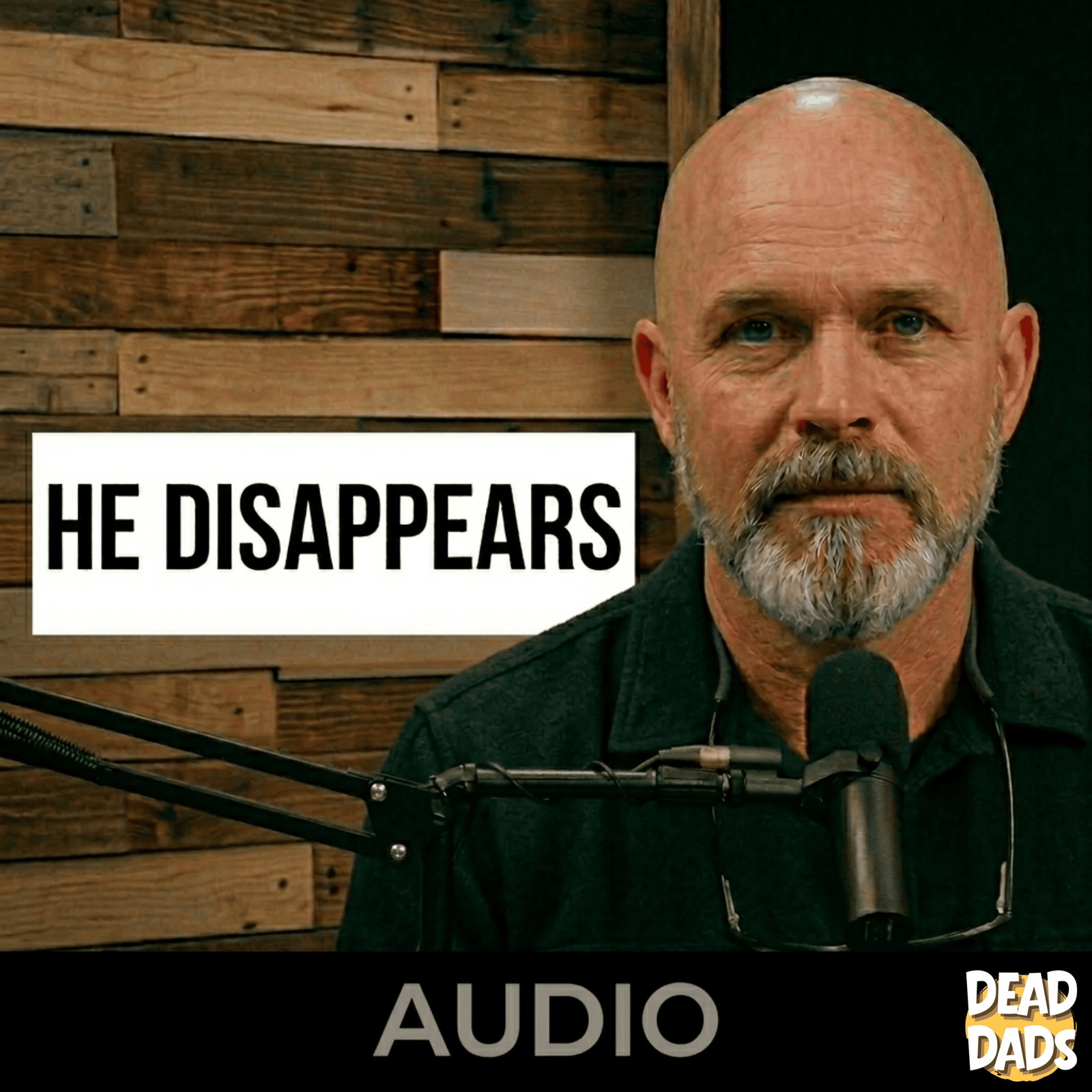
Bill Cooper joins a conversation about remembering your father after his death and the quiet ways grief appears in daily life. The episode explores returning to routine, speaking about your dad and keeping family memories present.
If your dad died and you just kept going, this is for you. There was no breakdown, no big moment, and no dramatic speech about taking time off. You just went back to work on Monday. You took care of everything. You said what needed to be said and filled out forms you never knew existed. At some point, you told yourself you were fine. And honestly, for the most part, you are.
But then you notice you haven’t said his name in a while. Not in conversation, not in a story, not even when something reminds you of him.
Now it’s become a quiet, slightly unsettling feeling. He starts to feel less present, almost like he moved out without saying anything.
Dead Dads is hosted by Roger Nairn and Scott Cunningham.
If Dead Dads has helped you feel a little less alone, consider buying us a coffee to help cover the studio and marketing costs that keep the show going and get it in front of more men who need it: https://buymeacoffee.com/deaddadspodcast
In this episode you'll learn:
- Why not talking about your dad can slowly erase his presence
- What it looks like to lose your dad without a big emotional reaction
- How dementia changes the experience of loss before death even happens
- Why not getting a final moment or goodbye is more common than you think
- How to carry your dad forward through everyday habits and conversations
- Why family traditions matter more than you realize after loss
- How your dad shows up in you, even when you don’t notice it
- Why there’s no “right way” to grieve
About Bill and his dad:
Bill Cooper lost his dad, Frank, after years of living with dementia.
Frank was a British-born doctor who built a life in Canada and raised his family around adventure, tradition, and quiet consistency.
He wasn’t loud. He wasn’t the center of attention.
But he shaped everything around him.
In this episode, Bill shares what it looked like to lose him and what it means to carry that forward without forcing it.
Chapters:
0:00 – Why Some Guys Don’t Talk About Losing Their Dad
2:00 – Meeting Bill and Why He Said Yes
6:00 – Who His Dad Was and What He Was Like
11:30 – Living With Dementia Before Death
17:00 – The Moment He Didn’t Get
22:30 – What Loss Looked Like Without a Breakdown
28:00 – Staying Busy and Moving Forward
34:00 – “Am I Supposed to Feel More?”
40:00 – How His Dad Shows Up in Him Today
46:00 – Family Traditions That Keep Him Around
52:00 – Why Talking About Your Dad Matters
58:00 – Advice for Guys Who Just Lost Their Dad
About Dead Dads
Dead Dads is a podcast for guys figuring out life after losing their dad.
It’s real conversations about grief, identity, and everything that comes after.
You’re not alone.
Follow + Connect
Website: https://www.deaddadspodcast.com/
YouTube: https://www.youtube.com/@deaddadspodcast
Instagram: https://www.instagram.com/deaddadspodcast/
TikTok: https://www.tiktok.com/@ddadspod
Substack: https://substack.com/@deaddadspodcast/notes
New episodes every other week.
Dead Dads Podcast is produced with the support of JAR Podcast Solutions, the branded podcast agency that helps organizations build shows people actually want to spend time with. Learn more at https://jarpodcasts.com/
Related reading: a personal reflection on remembering dad.
Related grief resources
Coping with the death of your father · Grief support resources
About the show: Roger Nairn and Scott Cunningham share lived experience of father loss. Dead Dads is not a substitute for professional care.
Episode Transcript
Source: YouTube captions. Automatically generated captions may contain errors.
[0:00] [00:00:00] I've heard it said before, and I
don't think I realized it until maybe, maybe this moment that. If you don't get to talk about
the people, then they, they do disappear, right?
[0:19] We're here to help you laugh. Dad, podcast. Losing your dad sucks. But
talking about it doesn't have to. We are not therapists. Professionally. We
may like to think we are, but we are not. We give really good advice though. Mm-hmm. Just not medically. Or therapeutically, although
if you do feel better after it, that's okay.
[0:35] You can still, you can still listen to us, but we will bill you for
that. We're also not doctors. That's true. We're definitely not
doctors. I once was a doctor but then was immediately removed from doctor status. You just had a lab coat on,
like that's not a doctor that That was the problem. Enjoy
the next episode of Dead Dads.
[0:54] Scott, why don't you introduce our guests today? Yes, it is my pleasure to introduce. [00:01:00]
Bill Cooper. So I do know Bill personally as well. Bill and I have done a variety of different
things together. We are on a board together about sponsorship marketing. We run into each
other at events. Our daughters, yours a little
[1:13] bit older than mine, both play hockey and so
we see each other around the hockey rinks. So Nice. We have managed to,
we're hockey dads. That's uh, that's one of the clubs that we're in. Yeah. I can admit. Yes, yes. You're a hockey dad. So we are, we're.
We are known to each other before this event.
[1:29] Right. So Bill, why did you decide to
do a podcast about your, your, your, and do you feel like it was you
that decided to do this podcast? Yeah, I mean, I think when I first heard
you mention it or saw you mention it, I can't remember which. It occurred to
me that, yeah, that's bang on. I mean,
[1:47] it happened and I never talked about it,
but at the same time, I never felt. Need to. Yeah. Um, but I thought, oh, that's kind of
a cool idea. And frankly, [00:02:00] I, I hate to admit this, but I trust you, so that,
[2:03] that's your first, that probably influenced why. That's great. That's your first mistake, bill Billy. It was really just to get
you here to record you saying that. I only say it because I know your wife
was also a proponent of this as well, and so I wondered how much she
had as inspiration for this.
[2:21] I think that's just the classic cliche. She was
willing to volunteer me as opposed to me. But I think I might have raised my hand of my own
volition had it not been, uh, let the record stay. Bill, we wanted to get to know you a a little bit
more. So I'm curious if you've had a real hard day at work, you've, you've made it home, you put on
some music. What is, what is your typical go-to
[2:42] in terms of music? Yeah. Um. It's a little bit folk
influenced. Very nice. Um, but I don't mind a guitar solo here and
there, so maybe a little bit old, old Rock. Is there something that you do? Is there
a comfort watch? Something that you do if
[2:57] you're feeling stressed, what do you do
to kind of relieve [00:03:00] yourself of that feeling after maybe a hard day or a
challenging meeting, that kind of stuff. Do a Sudoku or read a book or something, which is going to be. It's gonna
evolve into a nap within minutes, so.
[3:12] Interesting. Yeah. I'm just getting
into my napping phase. I'm 44 years old and it's just starting to get there. Yeah. I think I started at about six. Is there, everybody has this and I'm, and
I'm, again, I know you a little bit, but I'm,
[3:27] I'm gonna challenge you. Is there a topic that
you, without provocation at the drop of a hat, you could talk about for 20 minutes with no
prep work that everybody would probably think. Is the most boring thing in the world,
but it would be super interesting to you professionally. I got involved in a niche topic for quite a few
years that no one else wanted to talk about,
[3:46] and they were okay to hear me talk about it.
So that got to my head and, and that's sort of commercial rights. So I, like professionally,
I can talk, I can amble on about that for a long time. Um, and which seems to induce other
[00:04:00] naps around the table for other people.
[4:06] Um, curious, when you're around the house,
what's your go-to fix it method? Like, how do you, how do you, uh, you know,
are you a duct tape guy? Are you, uh, you know, I'm gonna put a, put a rope around it? Or are you a guy who hires a professional every single time?
[4:22] I think one of my. My dubious
strengths. It's not like it's, it's still a jury's out whether it is a
strength, but I'm willing to try stuff. Right. So, um, I don't know that I can call myself
a handyman, but I'm willing to be a handyman. Hmm.
[4:37] Uh, and I joke and my kids joke and my wife,
everybody around me jokes that I've fixed a lot of things in the house, but nothing is
straight and nothing is quite right. Um, so fixed is in quotes. Yeah. Fix is in quotes. So I. It's a step above duct tape, but it
probably would've been better with duct tape.
[4:53] Right. Um, that's kind of where I live, I think. And it depends on if you've
had a nap. Yeah, yeah. Yeah. And so things that you fixed, how
[00:05:00] many of those things have had to have a professional
come in and fix them afterwards? There was a toilet ring. I did that, that, uh, you know, six months later there was a, you
know, there was water on the dining room table.
[5:13] Ah. Um, but other than that, I think it's
been. Relatively good, but you don't know, right? I mean, who knows? That could have been me,
could have been the guy who owned it before me. I'm not sure. It's kind of like your
disclaimer off the top. You're not a doctor. I am, you know, I'm a handyman
in my own house, but don't call me over. Um, so Bill, we would love to,
to learn all about your, your,
[5:30] your dad. Um, what was his, what was his name? Uh, Frank. Frank Cooper? Yep. Did he have a middle name? He had two actually. Ishly and T. Oh okay. How did he get those? Well, T is a family name. Okay. Uh, that
was his mother's maiden name. And I'm
[5:48] embarrassed and sorry to say I don't
know the story behind Ishly. Hmm. Um, but it's an awesome name, isn't it? It's my
big brother's middle name as well. And, uh, our family [00:06:00] has affectionately nicknamed
my, uh, current vehicle as KB after Ishly.
[6:05] Did he grow up around here or? My family was straight off the boat from
England. I, my sister and I were both born in Canada. Mm-hmm. But my two brothers were born
in England, spent a few years in Ontario. Uh, when he was, he was doctor, so they, when he was still
a gp, he worked in Ontario, he came to Vancouver
[6:22] to specialize, went to the VGH and, uh, took a
specialization in radiology, became a radiologist. And, and what, what kind of a guy
was he? How would you describe him? He's like what you would expect of a, of a British
guy with a, an incredibly adventurous spirit. Like
[6:39] he loved camping and being outdoors, and we
had a little hobby farm in the Fraser Valley, like he just loved adventure. The guy
in the corner of the grammar school. You know, who's reading the Tom Hardy equivalent
books? Right? And who wants to Adventure?
[6:55] Nice. And I, I think that's a big part of
why they came to Canada and our life in [00:07:00] Canada was peppered with, you
know, camping trips that were epic and amazing, but. We were probably slightly
under prepared for Charact. That's the second time we've talked about
[7:10] that. Yeah. I like this new quote
for you. Unqualified but willing. Yeah. That's the name. That's
the name of the episode. Yeah. Um, and when you, when he was outdoors with you
guys, was he like trying to teach you everything? Was he trying to like get you to experience it
but also learn it so that you could pass it down?
[7:31] I think that was there in him, but it was never.
He never felt it and it was never obvious. Mm-hmm. How do you think his friends would've described
him? Do you think his friends saw him that way, or do you think they would have a slightly
different version of, of what he was like?
[7:47] I don't think they would
describe him as the head honcho. Mm-hmm. But, uh, he was fun. I mean, I think they
probably, that would be probably the first word they would reference. He was, uh, he,
he, he was kind of [00:08:00] like, he always looked like he was a move or a prank away from.
Being sat in the corner by the teacher. Right.
[8:07] Was there ever a prank that
sticks in your mind that he did? Well, I mean, he's got some childhood pranks
that, uh, kind of are in family lore. Like they, as a family, as I am told, they rarely went on
holiday, but they were on a rare holiday and,
[8:24] uh, his mother and father were sleeping
in and he and his brother David. Came in, uh, all excited 'cause they had shot a goose. They thought they had, you know, been sort of
adventurous hunters and they'd gone out with a bow and arrow and it was a domestic goose. And he
brought a who, no, they brought a goose into the
[8:42] kitchen at sort of seven o'clock in the morning.
And so I think that, you know, there were a lot of stories like that, like stealing apples from the
neighbor's orchard and that, that sort of thing. That was kind of, that was his thing. But I would say not planned pranks.
So he's mischievous. Yeah. Would
[8:59] that be good [00:09:00] word? And he's mischievous. Okay, so he's an adventurer? Yeah,
unfortunately sometimes. Okay. Yeah, he is obviously taken his family on a large
gamble, I guess, and taken you across the ocean. And then he's sort of settled here and he
just made his piece with it and he did the
[9:17] best he could, but he wasn't necessarily
the leader in every moment of every day. I mean, it wasn't, you know, like nonstop.
Luxury and all that sort of stuff. But we, we were very comfortable in the
valley. We had a nice hobby. We had a hobby farm by choice, not by necessity.
[9:32] Mm-hmm. I mean, that's fun, right? Mm-hmm. And nonstop luxury is not necessarily
the best thing in the world. No. No. Bill, what's, uh, what's one thing
that you knew about him but nobody else really knew about him? Like, did
he have a special skill that perhaps.
[9:48] People didn't know about he loved music. Mm-hmm. Like, and he loved it at a bizarre volume. It was so loud.
Like he would play classical music at a vol, [00:10:00] at an uncomfortable
volume. Um, yeah. And so that was his, you
[10:05] asked me what I do after day's work. Like he, he
would put on classical music and he couldn't play. One year when I was quite young and I remember
my mom giving it to him, but she gave him a conductor's wand for Christmas one year or
something. He actually had books and like he was,
[10:23] oh he tried, he wasn't learning
to be a conductor 'cause he, he wanted to be a conductor, but it was part
of just, he just loved music so much that he Wow. Um, bill, can we talk, can we talk
about, uh, how he, how he passed? Um, what was the circumstances around that? How did he pass? I mean, he had a
form of dementia, uh, Lewy body,
[10:44] um, which is, I, I mean, I'm
not a specialist in this, but I mean, all forms of dementia are very
difficult and hard and seemingly unfair. But this one in particular was. Sort
of, there were, there were moments of, um, what, [00:11:00] what do you call it,
like paranoia. Um, and I think that's not,
[11:05] I don't know if it's the only dementia that
features that, but Lew body is one that does. Uh, and sometimes the, the paranoia can come from
real life things. So actually some of the books that he read as he was entering dementia
heavily influenced the themes of his paranoia.
[11:26] Uh, and that was became a hardship for all of
us, but most notably my mom, right? Because she was taking care of him and there were
moments where he would become quite violent, um, more violent to the ether
than anything else. But at times,
[11:45] I think my mom probably felt threatened. So that
was really, the last few years were tough and, and it's a, the funny thing about dementia is
now it's past, you can look back and realize, actually there were elements of it
earlier than we [00:12:00] realized.
[12:00] Mm-hmm. My understanding is that
Lew body is what Rob Williams had, um, when he, when he passed. The way it's been
described is very, yeah. Very terrible. I'm sorry. Yeah. For that. Yeah. So when you have dementia like that, you
know, like how do you actually pass? Is it,
[12:19] he had, um, uh, an acute episode mm-hmm. That required calling, um, the
ambulance and the authorities. They, my parents at the time. And my mother still
lives on Salt Spring. So small community and,
[12:35] um, you know. I guess you could say limited
resources, although limited resources have never affected them in a negative way. They, um, they've
always had a great life there. But in this moment, um, you know, he had, he was having an episode
and they needed to be called and that he was
[12:52] given some medication that night, a heavy
dose because of how his behavior was and. He [00:13:00] never really recovered from
that dose. Mm-hmm. But I don't think that's uncommon that, you know, he, he, he had to
be sort of subdued and they, he did what
[13:07] they could to subdue him and he never
really, in many ways came back to life. Mm-hmm. Uh, 'cause I remember, I mean,
I got the call and I got to go over to Salt Spring and sit by his bed
with my mom, but I never saw him again. Really? Mm-hmm.
[13:23] So you sort of didn't get a chance to say no goodbye. But he had been in, the
dementia had been for a while, and so, yes. Yeah. You were aware that, yeah. That time was more limited. Yeah. Yeah. What do you remember most
about that day or that moment? Just desperately hoping that there
would be a moment of lucidity.
[13:41] That's probably what I remember most.
Right. And then I guess disappointment that there wasn't. But in the grand
scheme of things, I, like you say, Scott, I mean I knew and because we were are
in North Van and they were in Salt Spring, we did see them, you know, fairly frequently. So
I didn't feel. [00:14:00] Deprived in that sense.
[14:02] But you know, that last
moment you kind of have this, this Hollywood sense of how it's gonna go and mm-hmm. Didn't go that way. Right? Yeah. Eyes light up
and then you communicate directly. Yeah, yeah, yeah. Um, so that was probably what I remember most,
but I, but the way it worked is that, you know, it was clear that this was dire and you
know, very likely those last few days.
[14:24] I had a work commitment and an an
uncertainty around how long it would take, and so I went back to the mainland and was
told of his passing while at this work thing, which that sounds like something you would
regret. Um, and maybe on some level I do,
[14:43] but we had some time in the palliative
care as a family that was, you know. Sounds awful to say fun,
but it was, it was fun. We doesn't sound awful at all. I've, I've heard. Yeah. Yeah. We sat with him and,
um, we, you know, it was his birthday actually,
[14:59] and so [00:15:00] we kind of celebrated
his birthday unbeknownst to him. And, uh. We actually got a, a noise warning
that we were having too much fun. There was something to hang out on. Yeah. And my sister snuck a, a bottle of scotch
in and, you know, those, like, it was, it was a,
[15:16] I got to participate in that moment with my
family, which was treasured or is treasure. So when he did pass, what were, what were
the first few days after that? Like for you? Were you in charge of the process? 'cause your mom was still around. Did you take on
[15:33] responsibility or No? No. I, I'm like, I'm fortunate about so many
things in my life, but one of them is that I have a sibling on salt springing, uh, and he
and his wife together with my mom, you know,
[15:48] took. Most of the burden. And uh, we were
lucky that all our kids were able to join. Actually all the grandchildren were
able to join. So that was fortuitous. I think it's, I [00:16:00] mean there's
definitely, there's different scenarios, right? Either you're given the responsibility or you
don't have to take the responsibility. Yeah. But
[16:07] sometimes I wonder about, um, not having
something to do can also be difficult. Yeah. 'cause you wanna contribute. Did you feel a
sense of like. What should I do? I mean, it was, you're grateful to your brother for taking this
on. So what, what is the task? Or was it sort of,
[16:22] you know, the gratitude for them and
just being there and supporting them? These are a lot of questions, which
is, uh, why I signed on to do this because I've never asked myself these
questions and, um, it sounds very, uh, superficial and, and trite for me to say
now, but I was, you know, which I was busy.
[16:42] At work. Mm-hmm. And I, I had that going on.
So I think that that is, that is that cliche, but to, to
have something to keep you busy mm-hmm. Is important. And I, I don't think I did that
strategically or knowingly, but I think I was
[16:59] probably channel [00:17:00] channeling myself
into work. Uh, and it just by serendipity, I guess the thing that I went back to the
mainland for was really big for our company. We were bidding to become the sponsorship
agency for Whistler Blackcomb.
[17:14] Mm. And we were having a nice lunch with
Whistler, the sort of the senior execs of Whistler up, up there. Mm-hmm. And that's when
I got the call to say that he had passed. Um, and did you go back to the
table and say, my dad just died?
[17:30] Um, my partner, my business partner at the
time, she knew what was going on. So. She, I think when I got the phone call, she
intrinsically knew. I didn't have to say. Mm-hmm. Um, but I, I managed to sort of get through the
rest of the day and, and stay, stay mentally busy.
[17:48] Mm-hmm. Um, and then I, so that. You know, those, those, I don't know if those are deflections from the
question, but I, I think in retrospect that is, that is how I [00:18:00] stayed
mentally and emotionally busy. And then I think the other parts are that we had
a ceremony within, I think it was a bus. It was,
[18:07] it ended up being family day weekend
that we had the ceremony. So he, oh, February. So he, he passed, you know,
days before. And that was again, serendipity 'cause it allowed us to bring
everybody together. And so, you know, planning. To have everybody together, whether
it was booking some rooms or you know,
[18:23] ordering a charcuterie board or whatever there were. Mm. There were little minor tasks
and there was the company of family. Mm-hmm. All those things I think help mitigate. Yeah. How were your kids
throughout everything? Uh, you mentioned you've got kids
and were they close to grandpa?
[18:41] My wife and I, uh, lived overseas for a lot of
years and had two kids overseas and then two, when we came back here to Canada. And one of the
mo strongest motivations to come home was to spend time with grandparents. Mm-hmm. And so the kids
all got to spend time with them. I, I [00:19:00]
[19:00] don't know, without asking my kids and without
being in the room how much it affected them. I don't recall it being like a
dark day of tears and, you know, like, you know, super expressive emotions. Mm-hmm. But they were, they were embraced by
family. Right. So the, the extroverted
[19:20] emotion was mi mitigated by the company of family. I'm interested in it a little bit. I mean,
your kids are older as well too, about, you know, it's your process 'cause
it's your dad and it's your family. Yeah. And then, but it's their grandpa or it's
their, you know, relative how much engagement you,
[19:37] you offer to your kids, I think is sometimes
fascinating. But I'm also wondering, so, um. He's passed. And then do you feel a sense of, of responsibility or do you feel a sense of
ownership about keeping his memory in them? Do you think they have inherited
that or is there any sort of sense
[19:55] of how we continually know him now
that he's gone [00:20:00] away? I mean, I, and I'm gonna sound like a
TV ad here or what, I forget which brand it is that always depicts family
meals, but it, it's family meals. Mm-hmm. Um, that's a tradition that was in Laurel's
family and, and you know, super strong in my
[20:15] family and I, I'm not, I don't know that my dad
was the chief architect of that in my family, but it, it's, it, it sort of mimics what
you imagine of a proper English family. Like you, you respect, you respect the home, you
respect the traditions of the home and you Sunday
[20:31] roast. Mm-hmm. Yeah. Yeah. Absolutely. New York Yorkers. Yeah. Yeah,
absolutely. All of those things. And I, and. That means that we talk, we, not only do
we eat at the table, but we talk. Right. And because we are at the table and we talk,
we do tell stories of my mom and dad. Right. Not because we plan to, but
because that's what family time is.
[20:52] Is there a story that you, your kids
would say, you maybe have told just one time too many? Is there a story that
gets repeated? Maybe a little bit? [00:21:00] Um, one of the ones that
gets the, the most gaz is that he, you know, by the time we. I was old enough
to remember we were settled in the valley.
[21:09] Again, we were quite a, you know, a fairly
privileged family 'cause he was a doctor and, um, and, uh, so we were fairly well to do and we went
on these camping trips, but he was not, you know, like every, a lot of people that grew up in
England wartime, he doesn't, he didn't flaunt. I
[21:25] mm-hmm. And so he did things on the relative cheap. And so when we packed to go camping, he used
what was around the house, right? Yeah. And so, um, he, uh, like many of us in the family
had some nasal nasal congestion problems,
[21:41] so he always had bottles of ravin
around. And, uh, in this case he had put, uh, the dish soap in the Trovan bottle. Oh
no. And he give it the quick wipe like this. Yeah. And he hadn't labeled it.
So there was a scene of my dad,
[21:57] um, sort of breathe, you know,
[00:22:00] breathing bubbles out of his nose after having applied a
healthy dose of dish soap up his nose. Amazing. So that one gets told a fair, fair, fair.
Few times. Yeah. Were there any. Traits that maybe you picked up after he passed?
[22:14] Is there anything that you
think you've inherited from him? Frighteningly. So my wife and
my kids make fun of me for it. Mm-hmm. And I, and in, in their company, I defend
safe self and say, no, that's not true. But I know it's absolutely true. Like I'm, I
don't know that I'm a carbon copy of my dad,
[22:30] but I, I love puttering around
the garden and I'm terrible at it. Jack of all trades, master of none type thing.
That's that. I share that with him. I think I have a lot of his traits, which is weird. I,
when when you grow up in that environment,
[22:46] you think, oh, I'm never gonna be like
that. I'm gonna do, I'm gonna do this, I'm gonna do that. But in the
end, I'm, uh, I'm just a dreamer. I'm a guy that reads adventure
books and adventures a little, but isn't really a leader in the class.
Just, you know, I, it's, [00:23:00] it's more that you have that sentimental
attachment to adventure. Yeah.
[23:05] I mentioned this to Roger where, um, my laugh
changed. Um, I suddenly developed his, his laugh. Oh really? Which feels odd to me to say that because
again, it's supposed to be something organic. Yeah. And yet I suddenly started laughing
like him, and it's a weird, it's a,
[23:22] it's a trait that I didn't recognize that
was his, and then I did it and I was like, well, I know who did that. So I, there's
these things sometimes I think that they just come at you sideways and you're
like, oh. Why didn't I start doing that? Oh, this is a thing. One of the other ones we laugh at a bit,
which, uh, I don't know how much I do it.
[23:39] You don't know The other people at the table
know, but myself and my oldest daughter, we are, we've been known to make a
humming type noise while you're eating. Oh. Which my dad did with gusto. Oh, wow. And does the hum, does the
hum change depending on if you like
[23:56] what you're eating or not like is it like a mood? I think, well, I think it comes on
[00:24:00] out of. I'm guessing it comes out out of pleasure. Like you're enjoying
being at the table and eating and just Yeah. Love that. Yeah,
[24:11] love that. I like to think of your dad humming maybe in,
uh, some of those classical songs that he likes. Yeah, yeah. In the back of his mind. I heard you say earlier that you, you know, you,
you haven't really talked about this a lot, and, um, I'm curious why, why,
why do you think that is?
[24:28] I don't feel that I have. Suffered tremendously, nor have I craved
some help with navigating that. Hmm. And I don't know if that means that I'm.
Being naive and blind to the fact or
[24:44] whether I have good natural sort
of mitigation techniques that I'm, without knowing it, staying busy or doing
things that are allowing me to manage. I'm not sure. And, and in saying that,
I feel like I feel a sense of guilt. I'm
[24:59] like, [00:25:00] geez, am I a bad, am I a bad
person? But I, but maybe that's part of what Frank Kelp. Teach me, right? I mean, he, he, uh,
just, he just got on with life. I see my kids now, they have challenges at school and with
sports and things like that, and they,
[25:17] they're expressive in the moment, but they
don't seem to carry it for a long time. Maybe that's something that my dad and
others from that generation, you know, what they've given us is that's, that
resilience is. Is a strong trait right?
[25:37] Performative guilt is a, is a funny
one, isn't it? This idea of like, especially the question sometimes feels
like it's leading. Like, do you feel guilty? And then the answer is no. No. Like,
you should feel guilty. Yeah. And I, I, I mean the, yeah. I think that is a
very real challenge about this because,
[25:57] um, there are some. Hollywood esque, pre
[00:26:00] subscribed notions of what grief looks like. Yeah. And what you should do when
you're being presented with this scenario. And yet I think what I know and Roger and
I have spoken about and so far everybody, is that there's literally no set of
rules that you have to follow. Yeah. You,
[26:16] you could. Almost easily pass the milestone of
putting your father to rest and moving on to your life. And, and that may be your path and
it may just come up in, you know, odd moments. Yep. But I, I do think that the question of.
Should I feel more guilty or why don't I
[26:33] feel more guilty is an interesting
one to explore for me anyway, because I think that sometimes develops more
into a question about who I am as a person. It becomes more of a, a discussion
about what I feel about anything. So that question I think is fascinating.
Just asking myself should I feel more
[26:50] guilty? Yeah. Because it's maybe
should I feel more guilty about a job that I didn't do well at? Or if
I, it becomes kind of a character. Yeah. Uh, discussion for me sometimes. [00:27:00] 9.9 times outta 10, if not a
hundred times. Or I guess it would be 10 times. Math. Math.
[27:05] So much math. Math. Yeah. Um, you know, the, the parent who you
lose would want you to succeed in life and, and do all the good things and not be.
You know, succumb to grief or, you know,
[27:21] emotional obstacles, et cetera, that impede
you. So the fact that I haven't, perhaps I'm, I'm, I'm living my best, frank, even though I
haven't felt a huge amount of, um, you know, the, what's perceived or what's put out there as
the, the, the, the, the grief that should follow.
[27:40] On multiple occasions in the last year
is when we are over on Salt Spring, or when one of my older kids comes a
day or two later or what have you. We hear them and their cousins describe,
oh, I stopped to see Frank on the way back from Fulford Ferry. So they stop at its
headstone. See, that makes me [00:28:00] cry.
[28:02] So what more can you ask for? Did his passing
or does it in the, in the current sense, make you feel anything about your own mortality?
There's sometimes this occurred to me, which is, you know, when my father passed, then
this idea of it now swings to me. Did
[28:17] it make you think about that or about your
sense of what time you have on this earth? I would say I've had, I don't know if
it was a. Midlife or a late life crisis or whatever it was. But I, I lost my job, uh,
unexpectedly through someone else's decision,
[28:38] uh, a few years ago. And through that
process, and maybe in retrospect, a little bit of dad passing and
seeing my mom at times struggle a bit, I've had kind of a change of heart about,
this is not about me, it's about them. Mm-hmm. Right, and so you, you kind of change gears and
you're less preoccupied with what you're doing and
[28:58] more preoccupied with [00:29:00] what's the cool
stuff my kids are doing, right? Yeah. You, you, you, you, you change gears and, and you, you are
really contented and happy to watch them progress. Well, bill, we really, really enjoyed
meeting you and learning more about Frank.
[29:18] And, uh, before we go, I'm curious
if you could give one piece of advice to any guy out there who just lost
their dad. What, what would that be? You, you probably have embraced either knowingly
or unknowingly a family tradition. Keep embracing
[29:35] it, keep carrying it forward, um, because that.
That will be a huge resource for you, your, your stability, your pride, and what they built and
you are now building and how that passes on down. And, and ultimately, I, I never asked
my kids to visit his headstone, but I
[29:52] have a nephew who goes and visits
with a, with a bottle of scotch. Oh nice. Love it. That's pretty nice. [00:30:00]
I can't afford the scotch. So is there a trait of his that you miss the most?
Out of, out of all of the great things that he
[30:10] did, is there one thing that sort of sticks
with you about who he was that you miss? I think it's just presence, not a trait. Mm-hmm. Right. When we, my sister and brother
and I that are still on the West coast, we will go fishing or do things that Frank
would've done and just not having them there.
[30:30] That's probably what you miss the most. Classical
music blaring. That'd be, that'd be kind of nice. Not because I want it all the time,
but it would be a nice. Recurrence. Right? So maybe that's a trait you miss.
So there's things like that. My daughter and I hum. Well we eat,
so we got that ourselves. Anyway,
[30:49] bill, thank you. Thanks for coming in. Thanks for agreeing to do
it. Thanks for being intentional about it and, and I think I get the [00:31:00] sense from
our conversations like. There is a sense of you trying to do the right thing, trying
to think about the right thing, but it,
[31:07] I think being curious and interesting is great. I know it's helpful for me, but I hope it was helpful for you. And so
thank you. Thank you so much for coming. Yeah, thank you. Yeah, no, it was, it was, it was weird word to say, but it was fun.
I appreciate it. It was good. Good. There are no good words for a dead Dad's
podcast. Yeah. We can't figure one. Yeah. So fun.
[31:25] We, we haven't landed on it yet, is fine. Yeah. Yeah. No, I enjoyed it and it's, it's cool you
get to talk about these things, right? And, uh. I've heard it said before, and I don't think
I realized it until maybe, maybe this moment, that if you don't get to talk about the
people, then they, they do disappear, right?
[31:42] So better to talk about them
after, you know, than not, right? You don't want to keep that bottled up
'cause then the next generation won't recall. But a good way to, good way to wrap up here. Um.
Thanks so much, uh, for all you guys out there. Uh, another episode, the Dead Dads podcast
is in the, can [00:32:00] I need you to do
[32:01] us a huge favor and like, and subscribe, uh, the
podcast wherever you're listening or watching. Actually, something really, really
cool that we would love you to do is, is leave a comment on maybe a piece of advice
you have for someone out there who's lost their father. I think that could be hugely valuable
to our community. Um, Scott Ron to another one.
[32:20] Absolutely right. We're onto another
one. If you didn't like the podcast, leave a comment and said that you liked the
podcast too, because that helps as well. Yeah, just live. Thanks. It's a weird, but we're.
0:00 Speaker 0: And I've heard it said before, and I don't think I realized it until Speaker 0: maybe maybe this moment that Speaker 0: if you don't get to talk about the people, then they they do disappear. Speaker 0: Right? Speaker 1: Losing your dad sucks, but talking about it doesn't have to. Speaker 2: We are not therapists professionally. Speaker 2: We may like to think we are, but we are not. Speaker 1: We give really good advice though. Speaker 1: Mhmm. Speaker 1: Just not medically or therapeutically. Speaker 1: Although if you do feel better after it, that's okay. Speaker 1: You can still you can still listen to us. Speaker 2: But we will bill you for that. Speaker 2: We're also not doctors. Speaker 1: That's true.
0:40 Speaker 1: We're definitely not doctors. Speaker 1: I once was a doctor, but then was immediately removed from Speaker 1: doctor status. Speaker 2: You just had a lab coat on. Speaker 2: Like, that's not a doctor. Speaker 1: That that was the problem. Speaker 1: Enjoy the next episode of dead dads. Speaker 1: Scott, why don't you introduce our guest today? Speaker 2: Yes. Speaker 2: It is my pleasure to introduce Bill Cooper. Speaker 2: So I do know Bill personally as well. Speaker 2: Bill and I have done a variety of different things together. Speaker 2: We're on a board together about sponsorship marketing. Speaker 2: We run into each other at events. Speaker 2: Our daughters, yours a little bit older than mine, both play hockey, and so Speaker 2: we see each other around the hockey rink. Speaker 2: So we have managed to we're hockey dads. Speaker 2: That's a that's one of the clubs that we're in.
1:22 Speaker 0: Yeah. Speaker 0: I can admit. Speaker 0: Yes. Speaker 2: Yes. Speaker 2: You're a hockey dad. Speaker 2: So we are we are we are known to each other before this event. Speaker 2: Right. Speaker 1: So, Bill, why did you decide to do a podcast about your your Speaker 1: your Speaker 2: And do you feel like it was you that decided to do this podcast? Speaker 0: Yeah. Speaker 0: I mean, I think when I first heard you mention it or saw you Speaker 0: mention it, I can't remember which, it occurred to me that, like, yeah, that's Speaker 0: bang on. Speaker 0: I mean, it happened, and I never talked about it. Speaker 0: But at the same time, I never felt the need to. Speaker 0: Yeah. Speaker 0: But I thought, oh, that's kind of a cool idea. Speaker 0: And, frankly, I I hate to admit this, but I trust you. Speaker 0: So that That's Speaker 2: that's your Speaker 0: first probably influenced why I That's Speaker 1: your first mistake, Bill.
2:07 Speaker 2: Bill, it was really just to get you here to record you saying that. Speaker 2: I only say because I know your wife was also a proponent of this Speaker 2: as well, and so I wondered how much she had as inspiration for this. Speaker 0: Yeah. Speaker 0: I think that's just the classic cliche. Speaker 0: She was willing to volunteer me as opposed to me. Speaker 0: But I think I might have raised my hand of my own volition had Speaker 0: it not been Speaker 2: I'll let the record state. Speaker 1: Bill, we wanted to get to know you a a little bit more. Speaker 1: So I'm curious. Speaker 1: If you've had a real hard day at work, you've you've made it home, Speaker 1: you put on some music, what is what is your typical go to? Speaker 0: In terms of music? Speaker 0: Yeah. Speaker 0: Is that Speaker 0: little bit folk influenced.
2:48 Speaker 0: Very nice. Speaker 0: But I don't mind a guitar solo here and there, so maybe a little Speaker 0: bit old old rock. Speaker 2: Is there something that you do is there a comfort watch? Speaker 2: Something that you do if you're feeling stressed. Speaker 2: What do you do to kinda relieve yourself of that feeling after maybe a Speaker 2: hard day or a challenging meeting, that kind of stuff? Speaker 0: Do a Sudoku or read a book or something, which is going to be Speaker 0: it's gonna evolve into a nap within minutes. Speaker 1: Interesting. Speaker 1: I'm just getting into my napping phase. Speaker 1: I'm forty four years old, and it's just starting to get there. Speaker 0: Yeah. Speaker 0: I think I started at about six. Speaker 2: Is there Speaker 2: everybody has this, and I'm and I'm again, I know you a little bit, Speaker 2: but I'm I'm gonna challenge you.
3:28 Speaker 2: Is there a topic that you without provocation, at the drop of the hat, Speaker 2: you could talk about for twenty minutes with no prep work that everybody would Speaker 2: probably think is the most boring thing in the world, that it would be Speaker 2: super interesting to you? Speaker 0: Professionally, I got involved in a niche topic for quite a few years that Speaker 0: no one else wanted to talk about, and they were okay to hear me Speaker 0: talk about it. Speaker 0: So that got to my head and and that's sort of commercial rights. Speaker 0: So I feel like, professionally, I can talk I can amble on about that Speaker 0: for a long time, Speaker 0: which seems to induce other naps around the table for other people. Speaker 1: Curious when you're around the house, what's your go to fix it method?
4:10 Speaker 1: Like, how do you how do you, you know, are you a duct tape Speaker 1: guy? Speaker 1: Are you, you know, I'm gonna put a put a rope around it? Speaker 2: Or are you a guy who hires a professional every single time? Speaker 0: I think one of my my dubious strengths, it's not Speaker 0: like it's it's still a jury's out whether it is a strength, but I'm Speaker 0: willing to try stuff. Speaker 0: Right? Speaker 0: So, I don't know that I can call myself a handyman, but I'm willing Speaker 0: to be a handyman. Speaker 0: And I joke and my kids joke and my wife, everybody around me jokes Speaker 0: that I've fixed a lot of things in the house, but nothing is straight Speaker 0: and nothing is quite right. Speaker 2: Fixed is in quotes. Speaker 0: Yeah. Speaker 0: Fixed is in quotes. Speaker 0: So I it's a step above duct tape, but it probably would have been Speaker 0: better with duct tape.
4:53 Speaker 0: Right. Speaker 0: That's kinda where I live, I think. Speaker 1: And it depends on if you've had a nap. Speaker 0: Yeah. Speaker 0: Yeah. Speaker 0: Yeah. Speaker 2: And so things that you fixed, how many of those things have had to Speaker 2: have a professional come in and fix them afterwards? Speaker 0: There's a toilet ring I did that that, you know, six Speaker 0: months later, there was a you know, there was water on the Speaker 0: dining room table. Speaker 0: But other than that, I think it's been relatively good. Speaker 0: But you don't know. Speaker 0: Right? Speaker 0: I mean, who knows? Speaker 0: That could have been me. Speaker 0: Could have been the guy who owned it before me. Speaker 0: I'm not sure. Speaker 0: It's kinda like your disclaimer off the top. Speaker 0: You're not a doctor. Speaker 0: I'm, you know, I'm a handyman in my own house, but don't call me Speaker 0: over. Speaker 1: So, Bill, we would love to to learn all about your your your dad. Speaker 1: What was his what was his name?
5:34 Speaker 0: Frank. Speaker 0: Frank Cooper. Speaker 0: Yep. Speaker 2: Did he have a middle name? Speaker 0: He had two, actually. Speaker 0: Corvishley and T. Speaker 2: Oh, how did he get those? Speaker 0: Well, T is a family name. Speaker 0: Okay. Speaker 0: That was his mother's maiden name. Speaker 0: And I'm embarrassed and sorry to say I don't know the story behind Corvishley, Speaker 0: but it's an awesome name. Speaker 0: It's my big brother's middle name as well. Speaker 0: And, our family has affectionately nicknamed my, current Speaker 0: vehicle as Corb after Corbuschly. Speaker 2: Did he grow up around here? Speaker 2: Or Speaker 0: My family was straight off the boat from England. Speaker 0: I my sister and I were both born in Canada, but my two brothers Speaker 0: were born in England. Speaker 0: Spent a few years in Ontario, when he was he was doctor.
6:18 Speaker 0: So they when he was still a GP, he worked in Ontario. Speaker 0: He came to Vancouver to specialize, went to the VGH and, Speaker 0: took a specialization in radiology, became a radiologist. Speaker 1: And and what what kind of a guy was he? Speaker 1: How would you describe him? Speaker 0: He's like what you would expect of a of a British guy with a Speaker 0: an incredibly adventurous spirit. Speaker 0: Like, he loved camping and being outdoors, and we had Speaker 0: a little hobby farm in the Fraser Valley. Speaker 0: Like, he just loved adventure. Speaker 0: The guy in the corner of the grammar school, you know, who's reading Speaker 0: the Tom Hardy equivalent books and who wants to adventure. Speaker 0: Nice. Speaker 0: And I I think that's a big part of why they came to Canada, Speaker 0: and our life in Canada was peppered with, you know, Speaker 0: camping trips that were epic and amazing, but we were probably slightly Speaker 0: underprepared for.
7:08 Speaker 0: It's the second Speaker 1: time we've talked to Speaker 0: him. Speaker 0: Yeah. Speaker 2: I like this new quote for you. Speaker 2: Unqualified but willing. Speaker 2: Yeah. Speaker 2: It's Speaker 1: the name of the episode. Speaker 1: And when he when he was outdoors with you guys, was he, like, Speaker 1: trying to teach you everything? Speaker 1: Was he trying to, like, get you to experience it, but also learn Speaker 1: it so that you could pass it down? Speaker 0: I think that was there in him, but it was never he Speaker 0: never felt it, and it was never obvious. Speaker 2: How do you think his friends would have described him? Speaker 2: Do you think his friends saw him that way, or do you think they Speaker 2: would have a slightly different version of of what he was like? Speaker 0: I don't think they would describe him as the head honcho, Speaker 0: but, he was fun.
7:53 Speaker 0: I mean, I think they probably that would be really the first word they Speaker 0: would reference. Speaker 0: He was, he he he was kinda like he always looked like Speaker 0: he was a move or a prank away from being sat in the corner Speaker 0: by the teacher. Speaker 0: Right? Speaker 0: Was there ever a prank that sticks in Speaker 2: your mind that he did? Speaker 0: Well, I mean, he's got some childhood pranks that, Speaker 0: kind of are in family lore. Speaker 0: Like, they as a family, as I'm told, they rarely Speaker 0: went on holiday, but they were on a rare holiday. Speaker 0: And, his mother and father were sleeping in, and he and his brother David Speaker 0: came in, all excited because they had shot a goose.
8:33 Speaker 0: They thought they had, you know, been sort of adventurous hunters, and they'd gone Speaker 0: out with a bow and arrow. Speaker 0: And it was a domestic goose, and he brought a they brought a goose Speaker 0: into the kitchen at sort of seven o'clock in the morning. Speaker 0: And so I think that, you know, there were a lot of stories like Speaker 0: that, like stealing apples from the neighbor's orchard and that that sort of thing. Speaker 0: That was kind of that was his thing. Speaker 0: But I would say not planned pranks. Speaker 2: So he's mischievous. Speaker 2: Would that be? Speaker 2: Good word. Speaker 2: He's mischievous. Speaker 2: Okay. Speaker 2: So he's an adventurer Yep. Speaker 2: Unfortunately, sometimes. Speaker 2: Okay. Speaker 2: Yep. Speaker 2: He's obviously taken his family on a large gamble, I guess, and Speaker 2: taken you across the ocean. Speaker 2: And then he sort of settled here, and he just made his peace with Speaker 2: it, and he did the best he could, but he wasn't necessarily the leader Speaker 2: in every moment of every day.
9:21 Speaker 0: I mean, it wasn't, you know, like, nonstop Speaker 0: luxury and all that sort of stuff, but we we were very comfortable in Speaker 0: the valley. Speaker 0: We had a nice hop we had a hobby farm by choice, not by Speaker 0: necessity. Speaker 0: Mhmm. Speaker 0: I mean, that's fun. Speaker 0: Right? Speaker 2: Mhmm. Speaker 2: And nonstop luxury is not necessarily the best thing in the world. Speaker 1: No. Speaker 1: No. Speaker 1: Bill, what's, what's one thing that you knew about him, but Speaker 1: nobody else really knew about him? Speaker 1: Like, did he have a special skill that perhaps Speaker 1: people didn't know about? Speaker 0: He loved music. Speaker 0: Like and he loved it at a bizarre volume. Speaker 0: It was so loud. Speaker 0: Like, he would play classical music at a vol at an uncomfortable Speaker 0: volume.
10:03 Speaker 0: Yeah. Speaker 0: And so that was his. Speaker 0: You asked me what I do after a day's work. Speaker 0: Like, he he would put on classical music, and he couldn't play. Speaker 0: One year when I was quite young, and I remember my mom giving it Speaker 0: to him, but she gave him a conductor's wand for Christmas one year or Speaker 0: something. Speaker 0: He actually had books that like, he was Oh, he tried. Speaker 0: Wasn't learning to be a conductor because he he wanted to be a conductor, Speaker 0: but it was part of just he just loved music so much that he Speaker 0: Wow. Speaker 1: Yeah. Speaker 1: Bill, can we talk can we talk about, how he how he passed? Speaker 1: What was the circumstances around that? Speaker 0: How did he pass? Speaker 0: I mean, he had a form of dementia, Speaker 0: Lewy body, which is I I mean, I'm not Speaker 0: a specialist in this, but, I mean, all forms of dementia are very difficult Speaker 0: and hard and seemingly unfair.
10:53 Speaker 0: But this one in particular was sort of there were there Speaker 0: were moments of, what what do you call it? Speaker 0: Like, paranoia. Speaker 0: And I think that's not I don't know if it's the only dementia that Speaker 0: features that, but Lewy body is one that does. Speaker 0: And sometimes the the paranoia can come from real life things. Speaker 0: So, actually, some of the books that he read Speaker 0: as he was entering dementia heavily influenced Speaker 0: the themes of his paranoia. Speaker 0: And that was became a hardship for all of us, but most Speaker 0: notably my mom. Speaker 0: Right? Speaker 0: Because she was taking care of him, and there were moments where Speaker 0: he would become quite violent, Speaker 0: more violent to the ether than anything else.
11:43 Speaker 0: But at times, I think my mom probably felt threatened. Speaker 0: So that was really the last few years were tough. Speaker 0: And and it's a the funny thing about dementia is now it's passed. Speaker 0: You can look back and realize, actually, there were elements of it earlier Speaker 0: than we realized. Speaker 2: Mhmm. Speaker 1: My understanding is this Lewy body is what Robin Williams had, Speaker 1: when he when he passed. Speaker 1: And the way it's been described is very, yeah, very terrible. Speaker 1: I'm sorry Speaker 0: for that. Speaker 1: Yeah. Speaker 1: So when you have dementia like that, you know, like, how do you actually Speaker 1: pass? Speaker 1: Is it Speaker 0: He had Speaker 0: an acute episode that required calling, Speaker 0: the ambulance and the authorities.
12:28 Speaker 0: They my parents at the time and my mother still lives on Salt Spring. Speaker 0: So small community and Right. Speaker 0: You know, I guess you could say limited resources. Speaker 0: Although limited resources have never affected them in a negative way. Speaker 0: They, they've always had a great life there. Speaker 0: But in this moment, you know, he had a he was having an episode, Speaker 0: and they needed to be called. Speaker 0: And that he was given some medication that night, a Speaker 0: heavy dose because of how his behavior was, and Speaker 0: he never really recovered from that dose. Speaker 0: But I don't think that's uncommon that, you know, he he he had to Speaker 0: be sort of subdued, and they did what they could to subdue him, and Speaker 0: he never really, in many ways, came back to life.
13:13 Speaker 0: Mhmm. Speaker 0: Because I remember I mean, I got the call, and I got to go Speaker 0: over to Salt Spring and sit by his bed with my mom, but I Speaker 0: never saw him again, really. Speaker 2: So you sorta didn't get a chance to say No. Speaker 2: Goodbye. Speaker 2: But he had been in the dementia had been for a while, and Speaker 0: so, you know, you were aware that Yeah. Speaker 2: That time was more limited. Speaker 1: What What do you remember most about that day or that moment? Speaker 0: Just desperately hoping that there would be a moment of lucidity. Speaker 0: That's probably what I remember most. Speaker 0: Right. Speaker 0: And then, I guess, disappointment that there wasn't. Speaker 0: But in the grand scheme of things, I like you say, Scott, I mean, Speaker 0: I knew. Speaker 0: And because we were are in North Van and they were in Salt Spring, Speaker 0: we did see them, you know, fairly frequently.
13:58 Speaker 0: So I didn't feel deprived in that sense. Speaker 0: But, you know, that last moment, you kinda have this this Hollywood sense of Speaker 0: how it's gonna go and Mhmm. Speaker 0: Didn't go that way. Speaker 2: The eyes light up and then you communicate directly. Speaker 0: Yeah. Speaker 0: So that was probably what I remember most. Speaker 0: But I but the way it worked is that, you know, it was clear Speaker 0: that this was dire and, you know, Speaker 0: very likely this last few days. Speaker 0: I had a work commitment and an an uncertainty around how long it Speaker 0: would take. Speaker 0: And so I went back to the mainland and was told of Speaker 0: his passing while at this work thing, which Speaker 0: that sounds like something you would regret.
14:41 Speaker 0: And maybe on some level I do, but we had some time in the Speaker 0: palliative care as a family that was, Speaker 0: you know, sounds awful to say fun, but it was it was fun. Speaker 1: We Doesn't sound awful at all. Speaker 0: I've I've heard yeah. Speaker 0: Yeah. Speaker 0: We sat with him, and, we you know, it was his birthday, actually. Speaker 0: And so we kinda celebrated his birthday unbeknownst to him. Speaker 0: And, and we actually got a a noise warning that we were Speaker 0: having too much fun. Speaker 1: There is something to hang with that on. Speaker 0: Yeah. Speaker 0: And my sister snuck a a bottle of scotch in and, you know, those Speaker 0: like, it was it was a I got to participate in Speaker 0: that moment with my family, which was treasured or is treasured.
15:23 Speaker 1: So when he did pass, what what were the first few days after that Speaker 1: like for you? Speaker 2: Were you in charge of the process? Speaker 2: Because your mom was still around. Speaker 2: Did you take on responsibility? Speaker 2: Or Speaker 0: No. Speaker 0: I I'm, like, I'm fortunate about so many things in my life, but one Speaker 0: of them is that I have a sibling on Salt Spring. Speaker 0: Mhmm. Speaker 0: And he and his wife together with my mom, you Speaker 0: know, took most of the burden, and we were Speaker 0: lucky that all our kids were able to join. Speaker 0: Actually, all the grandchildren were able to join, so that was fortuitous. Speaker 2: I think it's I mean, there's definitely there's different scenarios. Speaker 2: Right? Speaker 2: Either you're given the responsibility or you don't have to take the responsibility.
16:06 Speaker 2: But sometimes I wonder about, not having something to do Speaker 2: can also be difficult because you wanna contribute. Speaker 2: Did you feel a sense of, like, what should I do? Speaker 2: I mean, it was you're grateful to your brother for taking this on. Speaker 2: So what what is the task, or was it sort of, you know, the Speaker 2: gratitude for them and just being there and supporting them? Speaker 0: These are a lot of questions, which is why I signed on to do Speaker 0: this because I've never asked myself these questions, and, Speaker 0: it sounds very, Speaker 0: superficial and and trite for me to say now, but I was, Speaker 0: you know, which I was busy at work. Speaker 0: Mhmm. Speaker 0: And I I had that going on. Speaker 0: So Speaker 0: I think that that is that is that cliche?
16:50 Speaker 0: But to have something to keep you busy Mhmm. Speaker 0: Is important. Speaker 0: And I I don't think I did that strategically or knowingly, Speaker 0: but I think I was probably channeling myself Speaker 0: into work. Speaker 0: And it just by serendipity, I guess, the thing that I went back Speaker 0: to the mainland for was really big for our company. Speaker 0: We were bidding to become the sponsorship agency for Whistler Blackcomb. Speaker 1: Mhmm. Speaker 0: And we were having a nice lunch with Whistler, the sort of Speaker 0: the senior execs of Whistler up up there. Speaker 0: Mhmm. Speaker 0: And that's when I got the call to say that he had passed. Speaker 0: And did you Speaker 1: go back to the table and say my dad just died?
17:31 Speaker 0: My partner, my business partner at the time, she knew what was going on. Speaker 0: So she I think when I got the phone call, she intrinsically knew. Speaker 0: I didn't have to say. Speaker 0: Mhmm. Speaker 0: But I I managed to sort of get through the rest of the Speaker 0: day and and stay stay mentally busy. Speaker 0: Mhmm. Speaker 0: And then I so that, you know, those those I don't know if Speaker 0: those are deflections from the question, but I I think in retrospect, that is Speaker 0: that is how I stayed mentally and emotionally busy. Speaker 0: And then I think the other parts are that we had a ceremony within Speaker 0: I think it was a bus it it was it ended up being family Speaker 0: day weekend that we had the ceremony. Speaker 0: So Speaker 2: he February.
18:11 Speaker 0: So he he passed, you know, days before, and that was, again, serendipity Speaker 0: because it allowed us to bring everybody together. Speaker 0: And so, you know, planning Speaker 0: to have everybody together, whether it was booking some rooms or, you know, ordering Speaker 0: a charcuterie board or whatever. Speaker 0: There were there were little minor tasks, and there was the company of Speaker 0: family. Speaker 2: Mhmm. Speaker 0: All those things, I think, help mitigate Speaker 0: the moment. Speaker 1: Yeah. Speaker 1: How were your kids throughout everything? Speaker 1: You mentioned you've got kids, and were they close to Speaker 0: grandpa? Speaker 0: My wife and I, lived overseas for a lot of years and Speaker 0: had two kids overseas and then two when we came back here to Canada. Speaker 0: And one of the strongest motivations to come home was Speaker 0: to spend time with grandparents, and so the kids all got to spend time Speaker 0: with them.
18:59 Speaker 0: And I I don't know without asking my kids and without being in the Speaker 0: room how much it affected them. Speaker 0: I don't recall it being, like, a dark Speaker 0: day of tears and, you know, like, you know, super expressive Speaker 0: emotions. Speaker 1: Mhmm. Speaker 0: But they were they were embraced by family. Speaker 0: Right? Speaker 0: So the the extroverted emotion was mitigated Speaker 0: by the company of family. Speaker 0: I'm interested in Speaker 2: it a little bit. Speaker 2: I mean, your kids are older as well too about you know, it's your Speaker 2: process because it's your dad and it's your family. Speaker 2: And then but it's their grandpa or it's their, you know, relative. Speaker 2: How much engagement you you offer to your kids, I think, is sometimes Speaker 2: fascinating.
19:40 Speaker 2: But I'm also wondering so, Speaker 2: he's passed. Speaker 2: And then do you feel a sense of of responsibility, Speaker 2: or do you feel a sense of ownership about keeping his memory in them? Speaker 2: Do you think they have inherited that, or is there any sort of sense Speaker 2: of how we continually know him now that he's Speaker 2: gone away. Speaker 0: I mean, I and I'm gonna sound like a TV ad here or I Speaker 0: forget which brand it is that always depicts family meals, but it it's family Speaker 0: meals. Speaker 2: Mhmm. Speaker 0: That's a tradition that was in Laurel's family and and, you know, super strong Speaker 0: in my family. Speaker 0: And I I'm not I don't know that my dad was the chief architect Speaker 0: of that in my family.
20:20 Speaker 0: But it it's it it sort of mimics what you imagine of Speaker 0: a proper English family. Speaker 0: Like, you you respect you respect the home. Speaker 0: You respect the traditions of the home. Speaker 0: And you Sunday roast? Speaker 0: Yeah. Speaker 0: Yeah. Speaker 0: Absolutely. Speaker 0: Yorkshire food Speaker 1: made the archers? Speaker 0: Yeah. Speaker 0: Yeah. Speaker 0: Absolutely. Speaker 0: All of those things. Speaker 0: And I and that means that we talk we not only do we eat Speaker 0: at the table, we talk. Speaker 0: And because we are at the table and we talk, we do tell stories Speaker 0: of my mom and dad. Speaker 0: Right. Speaker 0: Not because we plan to, but because that's what family time is. Speaker 2: Is there a story that you your kids would say you maybe have told Speaker 2: just one time too many? Speaker 2: Is there a story that gets repeated maybe a little bit? Speaker 0: One of the ones that gets the the most is that he you know, Speaker 0: by the time we I was old enough to remember, we were settled in Speaker 0: the valley.
21:09 Speaker 0: Again, we were quite a, you know, a fairly privileged family because he was Speaker 0: a doctor. Speaker 0: And, so we were fairly well-to-do, and we went on these camping trips. Speaker 0: But he was not, you know, like every a lot of people that grew Speaker 0: up in England wartime, he doesn't he didn't flaunt Speaker 0: his wealth. Speaker 0: Mhmm. Speaker 0: And so he did things on the relative cheap. Speaker 0: And so when we packed to go camping, he used what was around the Speaker 0: house. Speaker 0: Right? Speaker 0: Yeah. Speaker 0: And so, he, like many of us in the family, had Speaker 0: some nasal nasal congestion problems, so he always had bottles of Oatravin around. Speaker 0: And, in this case, he had put, the dish soap in the Oatravin Speaker 0: bottle. Speaker 0: Oh, no.
21:51 Speaker 2: And he Give it the quick wipe like this. Speaker 2: Yeah. Speaker 0: And he hadn't labeled it. Speaker 0: So there was a scene of my dad, sort of, you know, breathing Speaker 0: bubbles out of his nose after having applied a healthy dose of Speaker 0: dish soap up his nose. Speaker 0: Amazing. Speaker 0: So that one gets told a fair fair fair a few times. Speaker 2: Yeah. Speaker 2: Were there any traits that maybe you picked up after he passed? Speaker 2: Is there anything that you think you've inherited from him? Speaker 0: Frighteningly so. Speaker 0: My wife and my kids make fun of me for it. Speaker 0: Mhmm. Speaker 0: And I and in in their company, I defend my safe self Speaker 0: and say, no. Speaker 0: That's not true, but I know it's absolutely true. Speaker 0: Like, I'm I don't know that I'm a carbon copy of my dad, but Speaker 0: I Speaker 0: I love puttering around the garden, and I'm terrible at it.
22:36 Speaker 0: Jack of all trades, master of none type thing that's the I share Speaker 0: that with him. Speaker 0: I think I have a lot of his traits, which is weird. Speaker 0: I when when you grow up in that environment, you think, oh, I'm never Speaker 0: gonna be like that. Speaker 0: I'm gonna do I'm gonna do this. Speaker 0: I'm gonna do that. Speaker 0: But in the end, I'm, I'm just a dreamer. Speaker 0: I'm a guy that reads adventure books and adventures a little, but isn't really Speaker 0: a leader in the class. Speaker 0: Just, you know, I it's it's more that you have that sentimental Speaker 0: attachment to adventure. Speaker 2: I mentioned this to Roger where, Speaker 2: my laugh changed. Speaker 2: I suddenly developed his his laugh Oh, really? Speaker 2: Which feels odd to me to say that because, again, it's supposed to be Speaker 2: something organic.
23:18 Speaker 2: Yeah. Speaker 2: And yet I suddenly started laughing like him. Speaker 2: And it's a weird it's a it's a trait that I didn't recognize that Speaker 2: was his, and then I did it, and I was like, why know who Speaker 2: did that? Speaker 2: So I there's these things. Speaker 2: Sometimes I think that they just come at you sideways, and you're like, why Speaker 2: didn't I start doing that? Speaker 2: Oh, this is a thing. Speaker 0: One of the other ones we laugh at a bit, which, I don't know Speaker 0: how much I do it. Speaker 0: You don't know the other people at the table know. Speaker 0: But myself and my oldest daughter, we are we've been known to Speaker 0: make a humming type noise while you're eating Oh. Speaker 0: Which my dad did with gusto. Speaker 1: Oh, wow. Speaker 1: And does the does the change depending on if you like what you're eating Speaker 1: or not? Speaker 1: Like, is it like a Speaker 0: I think well, I think it comes on out of, I'm guessing, it comes Speaker 0: out out of pleasure.
24:02 Speaker 0: Like, you're enjoying being at the table and eating and Just something. Speaker 0: Yeah. Speaker 0: Like, yeah. Speaker 1: Love that. Speaker 0: Yeah. Speaker 0: Love that. Speaker 2: I like to think of your dad humming maybe in, some of those classical Speaker 2: songs that he likes to hear. Speaker 2: Yeah. Speaker 2: Yeah. Speaker 2: In the back of his mind. Speaker 2: I heard Speaker 2: Yeah. Speaker 0: Yeah. Speaker 0: Yeah. Speaker 2: In the back of his mind. Speaker 1: I heard you say earlier that you, you know, you you haven't really talked Speaker 1: about this a lot. Speaker 1: And, I'm curious why why why do you think that is? Speaker 0: I don't feel that I have Speaker 0: suffered tremendously nor have I craved Speaker 0: some help with navigating that. Speaker 0: Mhmm. Speaker 0: And I don't know if that means that I'm being naive and Speaker 0: blind to the fact or whether I have good natural sort Speaker 0: of mitigation techniques that I'm without knowing it, Speaker 0: staying busy or doing things that are allowing me to manage.
24:53 Speaker 0: I'm not sure. Speaker 0: And and in saying that, I feel, like, I feel a sense of guilt. Speaker 0: I'm like, jeez, am I a bad am I a bad person? Speaker 0: But, but maybe that's part of what Frank helped teach me. Speaker 0: Right? Speaker 0: I mean, he he, just he just got on with life. Speaker 0: I see my kids now. Speaker 0: They have challenges at school and with sports and things like that, Speaker 0: and they they're expressive in the moment, Speaker 0: but they don't seem to carry it for a long time. Speaker 0: Maybe that's something that my dad and others from that Speaker 0: generation, you know, what they've given us is that's that resilience is Speaker 0: is a strong trait.
25:36 Speaker 0: Right? Speaker 2: Performative guilt is a is a funny one, isn't it? Speaker 2: This idea of, like, especially the question sometimes feels like it's leading. Speaker 2: Like, do you feel guilty? Speaker 2: And then the answer is no. Speaker 2: No. Speaker 2: But you feel like you should feel guilty. Speaker 2: And I I mean, the yeah. Speaker 2: I think that is a very real challenge about this because, Speaker 2: there are some Hollywood esque presubscribed notions Speaker 2: of what grief looks like and what you should do when you're being Speaker 2: presented with this scenario. Speaker 2: And yet I think what I know and Roger and I have spoken about, Speaker 2: and so far everybody's, that there's literally no set of rules that Speaker 2: you have to follow. Speaker 2: You you could almost easily pass the milestone of putting your father Speaker 2: to rest and moving on to your life, and and that may be your Speaker 2: path.
26:23 Speaker 2: And it may just come up in, you know, odd moments. Speaker 0: Yep. Speaker 2: But I I do think that the question of should Speaker 2: I feel more guilty or why don't I feel more guilty Speaker 2: is an interesting one to explore for me anyway because I think that Speaker 2: sometimes develops more into a question about who I am as a person. Speaker 2: It becomes more of a a discussion about what I feel about anything. Speaker 2: So that question I think is fascinating. Speaker 2: Just asking myself, Speaker 0: should Speaker 2: I feel more guilty? Speaker 2: Because it's maybe should I feel more guilty about a job that I didn't Speaker 2: do well at or if I it becomes kind of a character Speaker 0: Yeah. Speaker 2: Discussion for me sometimes. Speaker 0: Nine point nine times out of ten, if not a hundred times, or I Speaker 0: guess it would be ten times.
27:04 Speaker 0: Math. Speaker 0: Math. Speaker 1: So much math. Speaker 1: Math. Speaker 1: Yeah. Speaker 0: You know, the the parent who you lose Speaker 0: would want you to succeed in life and and do Speaker 0: all the good things and not be, you know, succumb Speaker 0: to grief or, you know, emotional obstacles, etcetera, that impede you. Speaker 0: So the fact that I haven't perhaps I'm I'm I'm living Speaker 0: my best frank even though I haven't felt a huge amount of, Speaker 0: you know, the what's perceived or what's put out there as the Speaker 0: the the the grief that should follow. Speaker 0: On multiple occasions in the last year is when we are over on Salt Speaker 0: Spring or when one of my older kids comes a day or two later Speaker 0: or what have you, we hear them and their cousins describe, Speaker 0: oh, I stopped to see Frank on the way back from Fulford Ferry.
27:57 Speaker 0: So they stop at his headstone. Speaker 0: See, that makes me cry. Speaker 0: So what more can you ask for? Speaker 2: Does his or did his passing or does it in the in the current Speaker 2: sense make you feel anything about your own mortality? Speaker 2: There's sometimes this occurred to me, which is, you know, when my father passed, Speaker 2: then this idea of it now swings to me. Speaker 2: Does it make you think about that or about your sense of what time Speaker 2: you have on this earth? Speaker 0: I would say Speaker 0: I've had I don't know if it was a midlife or a late life Speaker 0: crisis or whatever it was, but I I lost my job, Speaker 0: unexpectedly through someone else's decision, a few years ago.
28:39 Speaker 0: And through that process and maybe in retrospect a little bit Speaker 0: of dad passing and seeing my mom at times struggle a bit, I've Speaker 0: had kind of a change of heart about this is not about me. Speaker 0: It's about them. Speaker 0: Mhmm. Speaker 0: Right? Speaker 0: And so you you kinda change gears and you're less preoccupied with Speaker 0: what you're doing and more preoccupied with what's the cool stuff my Speaker 0: kids are doing. Speaker 0: Right? Speaker 0: Yeah. Speaker 0: You you you you you change gears, and and you you Speaker 0: are really contented and happy to watch them progress. Speaker 1: Well, but we really, really enjoyed meeting you and learning more about Speaker 1: Frank. Speaker 1: And, before we go, I'm just curious if you could give one piece of Speaker 1: advice to any guy out there who just lost their dad, Speaker 1: what what would that be?
29:27 Speaker 0: You you probably have embraced either knowingly or unknowingly Speaker 0: a family tradition. Speaker 0: Keep embracing it. Speaker 0: Keep carrying it forward, because that that Speaker 0: will be a huge resource for you. Speaker 0: Your your stability, your pride, and what they built and you are now building Speaker 0: and how that passes on down. Speaker 0: And and, ultimately, I I never asked my kids to visit his headstone, but Speaker 0: I have a nephew who goes and visits with a with a Speaker 0: bottle of scotch. Speaker 0: Oh, nice. Speaker 0: That's pretty nice. Speaker 0: I can't afford the scotch. Speaker 2: Is there a trade of his that you miss the most out of out Speaker 2: of all of the great things that he did?
30:10 Speaker 2: Is there one thing that sort of sticks with you about who he was Speaker 2: that you miss? Speaker 0: I think it's just presence, not a trait. Speaker 0: Mhmm. Speaker 0: Right? Speaker 0: When we my sister and brother and I that are still on the West Speaker 0: Coast, we will go fishing or do things that Frank would have Speaker 0: done and just not having him there. Speaker 0: That's probably what you miss the most. Speaker 0: Classical music blaring, that'd be that'd be kinda nice. Speaker 0: Not because I want it all the time, but it'll be a nice re Speaker 0: reoccurrence. Speaker 0: Right. Speaker 0: So maybe that's a trait you miss. Speaker 0: So there's things like that. Speaker 0: My daughter and I while we eat, so we got that ourselves anyway. Speaker 2: Bill? Speaker 2: Thank you.
30:51 Speaker 2: Thanks for coming in. Speaker 2: Thanks for agreeing to do it. Speaker 2: Thanks for being intentional about it. Speaker 2: And and I think I get the sense from our conversations, Speaker 2: like, there is a sense of you trying to do the right thing, trying Speaker 2: to think about the right thing, but it I think being curious and interesting Speaker 2: is great. Speaker 2: I know it's helpful for me, but I hope it was helpful for you. Speaker 2: And so thank you. Speaker 2: Thank you so much for coming. Speaker 1: Thank you. Speaker 0: Yeah. Speaker 0: No. Speaker 0: It was it was it was weird word to say, but it was fun. Speaker 0: I appreciate it. Speaker 0: It was good good Speaker 2: There are no good words for a dead dad's podcast. Speaker 2: Yeah. Speaker 2: We can't figure what. Speaker 2: Yeah. Speaker 2: So Speaker 1: We haven't done it yet. Speaker 2: Fine. Speaker 2: Yeah. Speaker 0: Yeah. Speaker 0: No. Speaker 0: I enjoyed it. Speaker 0: And it's it's cool. Speaker 0: You get to talk about these things. Speaker 0: Right? Speaker 0: And, and I've heard it said before, and I don't think I realized it Speaker 0: until maybe maybe this moment that Speaker 0: if you don't get to talk about the people, then they they do disappear.
31:41 Speaker 0: Right? Speaker 0: So better to talk about them, you know, than not. Speaker 0: Right? Speaker 0: You don't wanna keep that bottled up because then the next generation won't recall. Speaker 1: A good way to good way to wrap up here. Speaker 1: Thanks so much, for all you guys out there. Speaker 1: Another episode of the Dead Dads podcast is in the can. Speaker 1: I need you to do us a huge favor and like and subscribe, the Speaker 1: podcast wherever you're listening or watching. Speaker 1: Actually, something really, really cool that we would love you to do is is Speaker 1: leave a comment on maybe a piece of advice you have for someone out Speaker 1: there who's lost their father. Speaker 1: I think that could be hugely valuable to our community. Speaker 1: Scott, Rondo, another one? Speaker 2: Absolutely right.
32:21 Speaker 2: Rondo, another one. Speaker 2: If you didn't like the podcast, leave a comment and said that you liked Speaker 2: the podcast because that helps as well. Speaker 1: Yeah. Speaker 1: Just lie. Speaker 1: Thanks.